

Recipes
Anti-inflammatory dinners: 15 built on oily fish and plants
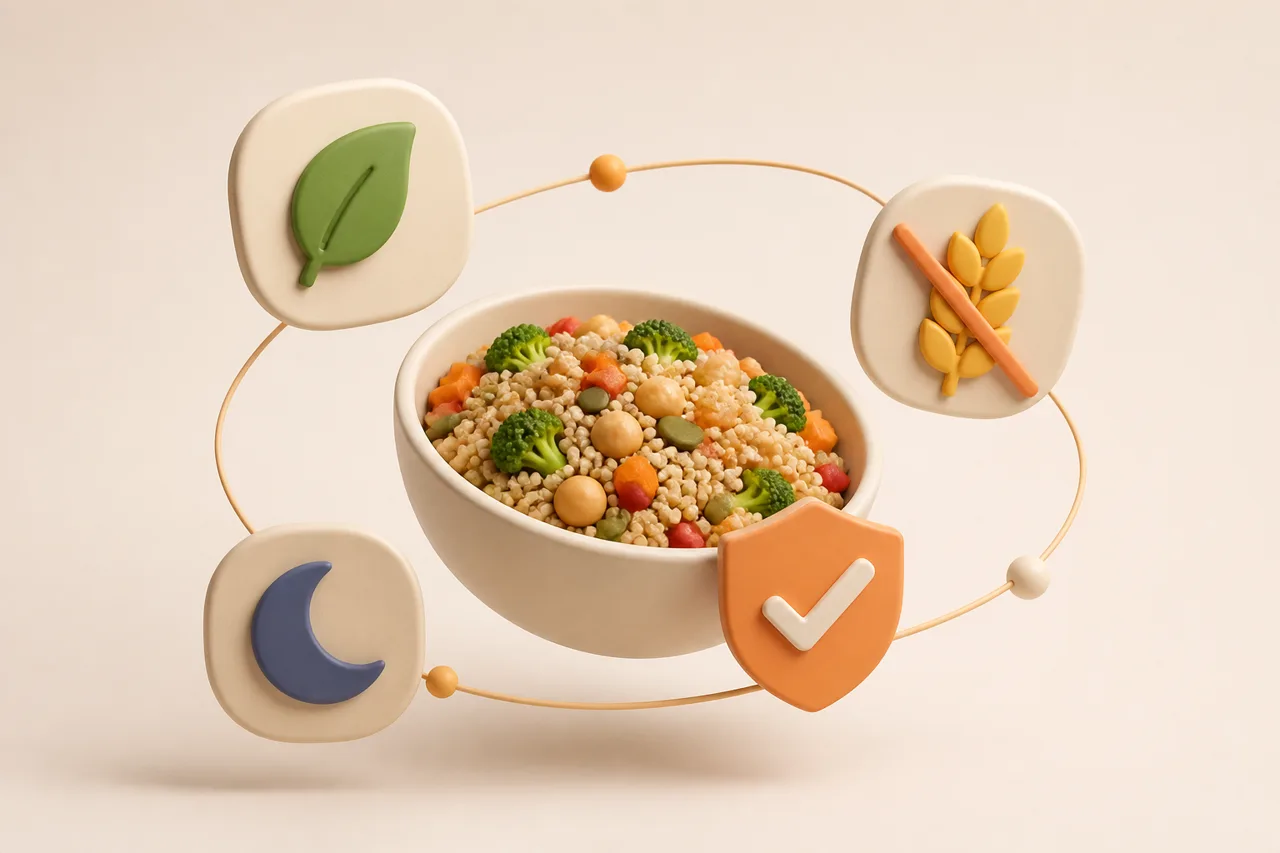
The phrase covers a broad eating pattern rather than specific magic ingredients: oily fish, olive oil, pulses, vegetables and spices. These 15 dinners are built from it.
Anti-inflammatory eating is a marketing phrase attached to a fairly ordinary pattern: oily fish a couple of times a week, olive oil as the main fat, plenty of vegetables and pulses, wholegrains over refined, and less highly processed food. It looks almost identical to a Mediterranean diet, which is the more honest description.
The 15 dinners below are built from that pattern. They are ideas for cooking rather than treatment, and anyone managing a diagnosed inflammatory condition should follow clinical advice rather than a recipe collection.
The practical value of the framing, whatever you call it, is that it gives a shopping list rather than a set of rules to remember. Buy oily fish, olive oil, pulses and a wide range of vegetables, and almost anything you cook from them fits. That is a far easier instruction to follow for a year than a list of foods to avoid.
It is also worth being straightforward about individual ingredients. Turmeric, ginger and garlic are frequently singled out, and the evidence for any single spice having a meaningful effect at culinary quantities is much weaker than the headlines suggest. They are in these recipes because they taste good.
What is an anti-inflammatory diet?
A pattern rather than a rulebook, and one that overlaps almost entirely with Mediterranean eating: oily fish, olive oil, vegetables, pulses, wholegrains, nuts and seeds, with less refined sugar and less heavily processed food.
What it is not is a list of foods that cancel out the rest of a diet. The pattern matters more than any component, which is the same conclusion most dietary research reaches about most eating patterns.
| Include often | Why it is in the pattern | Practical version |
|---|---|---|
| Oily fish | Source of omega-3 fats | Sardines, mackerel, salmon, twice a week |
| Olive oil | The main fat in the pattern | Cooking and poured over finished dishes |
| Pulses | Fibre and plant protein | Chickpeas, lentils, beans, 3 times a week |
| Vegetables and fruit | Fibre and variety | Half the plate, several colours |
| Nuts and seeds | Fats and fibre | A handful daily, or seeds on everything |
| Wholegrains | Fibre with the starch | Barley, brown rice, wholemeal pasta |
| Spices and herbs | Flavour, and variety of plants | Turmeric, ginger, garlic, parsley |
Five dinners with oily fish
Oily fish is the component most often missing, and tinned is both cheaper and nutritionally comparable to fresh.
- Mackerel with lentils and mustard dressing. Tinned or smoked mackerel with cooked lentils. About 30 g of protein and almost no cooking.
- Salmon traybake with broccoli and sesame. Twenty-two minutes at 200C, with the sesame added at the end so it toasts rather than burns.
- Sardines on wholegrain toast with tomato. The cheapest oily fish dinner there is, and one of the best.
- Salmon with barley and greens. Barley holds its texture better than rice and brings more fibre.
- Sardine pasta with breadcrumbs and chilli. Wholemeal pasta, tinned sardines, garlic and toasted crumbs for texture. The breadcrumbs are doing the job parmesan would in a different dish, which is a common trick in southern Italian cooking and costs nothing.
Five more, and the spices worth using
These fill out a week, and each leans on a spice or herb combination that does real work on the flavour rather than being added for its reputation.
- Turmeric and ginger chicken with rice. Both go into the marinade with yoghurt, which tenderises the meat as well as seasoning it.
- Harissa roasted cauliflower with chickpeas. Harissa carries chilli, garlic and caraway, so one spoon does the whole dish.
- Garlic and parsley white bean stew. A whole head of garlic softened slowly in olive oil, then beans and a lot of parsley.
- Ginger and sesame salmon traybake. Fifteen minutes, with the sesame added at the end so it toasts.
- Za'atar roasted vegetables with tahini. Za'atar is thyme, sesame and sumac, which is 3 plants in one jar.
| Spice or herb | What it brings | Use it in |
|---|---|---|
| Turmeric | Earthy colour and bitterness | Curries, rice, marinades |
| Ginger | Heat and sharpness | Stir-fries, marinades, dressings |
| Garlic | Savoury depth | Almost everything here |
| Harissa | Chilli, garlic and caraway in one | Roasting, stews, dressings |
| Za'atar | Thyme, sesame and sumac | Roasted vegetables, flatbread, yoghurt |
| Parsley and coriander | Freshness at the end | Stirred in off the heat |
Five plant-led dinners
Pulses and vegetables carry most of the pattern, and these are the dishes worth repeating weekly.
- Chickpea and spinach curry with turmeric and ginger. Fifteen minutes, and among the cheapest dinners in this collection.
- Braised greens with white beans and olive oil. Chard or kale cooked slowly in oil with garlic, then beans stirred through.
- Roasted aubergine with tahini and chickpeas. Aubergine needs the full 35 minutes at 220C or it stays spongy.
- Lentil and walnut ragu with wholemeal pasta. The walnuts add texture and fat, and the lentils the bulk.
- Barley and roasted vegetable bowl with seeds. A batch of barley on Sunday makes this a 10-minute assembly.
Making it a habit rather than a project
The pattern only works if it survives an ordinary week, so the practical version is 4 frequencies rather than a meal plan.
- Two fish dinners a week, at least one oily, and tinned counts.
- Three pulse dinners a week, which also happen to be the cheapest meals available.
- Olive oil as the default fat, bought in a large tin so the quantity is never rationed.
- One spice-heavy dish a week, which covers both flavour and plant variety.
Set those 4 and the specific recipes stop mattering, which is the point at which a pattern becomes sustainable rather than something to follow for a fortnight.
What the pattern reduces
The other half of the idea is what appears less often, and this part is less contentious than any claim about individual superfoods.
- 1Heavily processed food, which tends to be high in refined starch, sugar and salt and low in fibre.
- 2Refined sugar in quantity, particularly in drinks, where it arrives faster than in food.
- 3Refined grains as the default, replaced with wholegrain versions of the same thing.
- 4Large amounts of red and processed meat, moved to occasional rather than daily.
- 5Cooking fats used in place of olive oil, though this is a smaller factor than the others.
Framed that way, the pattern is unremarkable, which is a point in its favour rather than against it. Most dietary advice that survives scrutiny ends up looking similar.
The closest neighbour to this page is mediterranean diet dinners, which covers the same shopping list in more detail. The fibre arithmetic is in high fibre recipes and the variety angle in gut health meal prep.
For a cheaper version of the same pattern, cheap recipes leans on the same pulses and tinned fish. On keeping a dietary collection tagged and searchable, ReciBites vs Paprika and ReciBites vs Samsung Food are the relevant comparisons.
Frequently asked questions
+What is an anti-inflammatory diet?
A pattern close to Mediterranean eating: oily fish, olive oil, pulses, vegetables, wholegrains, nuts and seeds, with less refined sugar and heavily processed food.
+Does turmeric reduce inflammation?
The evidence for any single spice having a meaningful effect at normal cooking quantities is much weaker than headlines suggest. Include it for flavour rather than as a treatment.
+How often should I eat oily fish?
Twice a week is the frequency usually given. Tinned sardines and mackerel count, cost far less than fresh and keep in a cupboard.
+Is tinned fish as good as fresh?
For omega-3 fats, yes. Tinned sardines and mackerel are nutritionally comparable to fresh and are the practical way most households reach twice a week.
+What foods should I eat less of?
Heavily processed food, refined sugar particularly in drinks, refined grains as a default, and large amounts of red and processed meat.
+Is this the same as the Mediterranean diet?
Almost identical in practice. Mediterranean is the better documented description of the same pattern, which is why the two pages overlap so heavily.
+Will this help a diagnosed inflammatory condition?
That is a question for your clinician. These are cooking ideas following a general pattern, not a treatment for any specific condition.
+What is the cheapest way to eat this way?
Tinned sardines, dried lentils, tinned chickpeas, frozen vegetables and olive oil bought in a large tin. All are among the cheapest items in a supermarket.
- #diets and fitness
- #oily fish
- #dinners
- #mediterranean