

Special Diets and Fitness
How to plan gluten-free meals without cooking two dinners
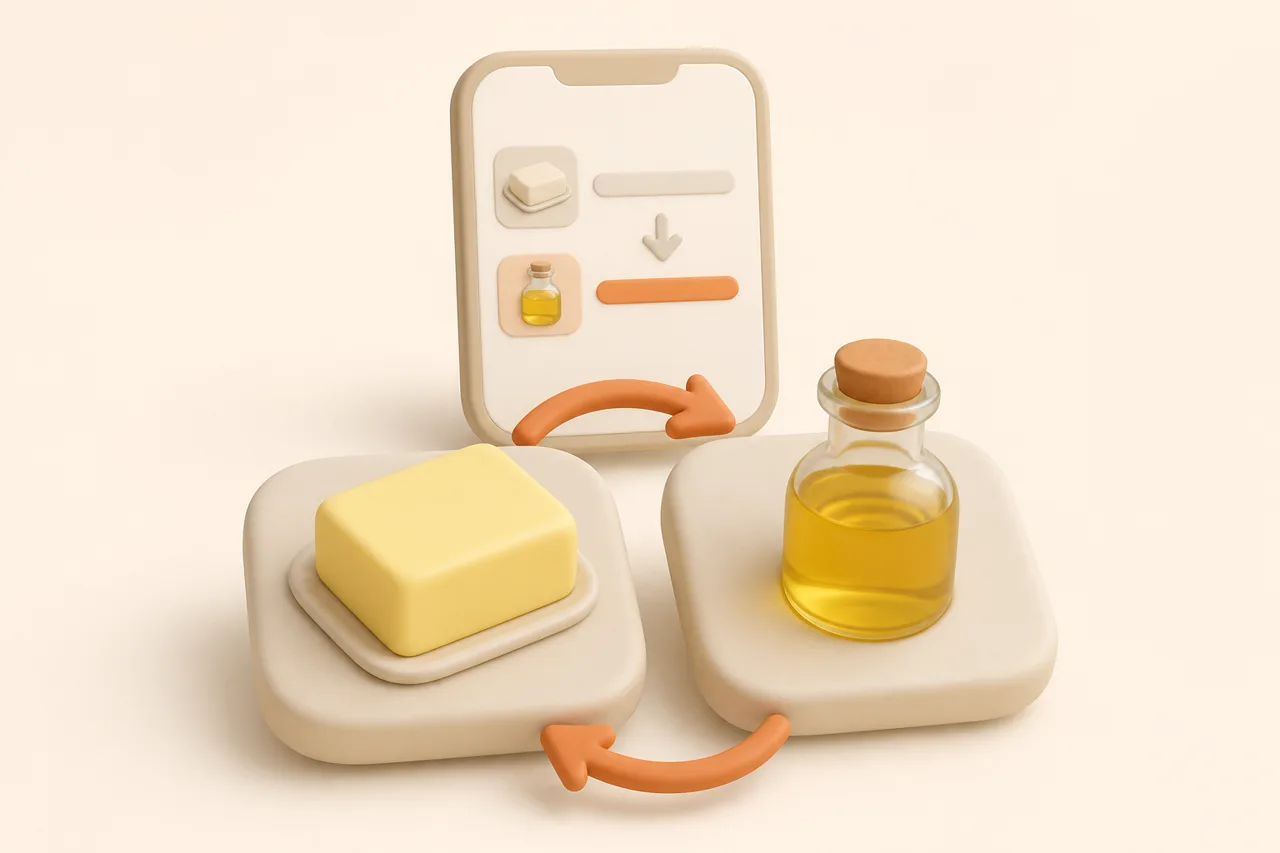
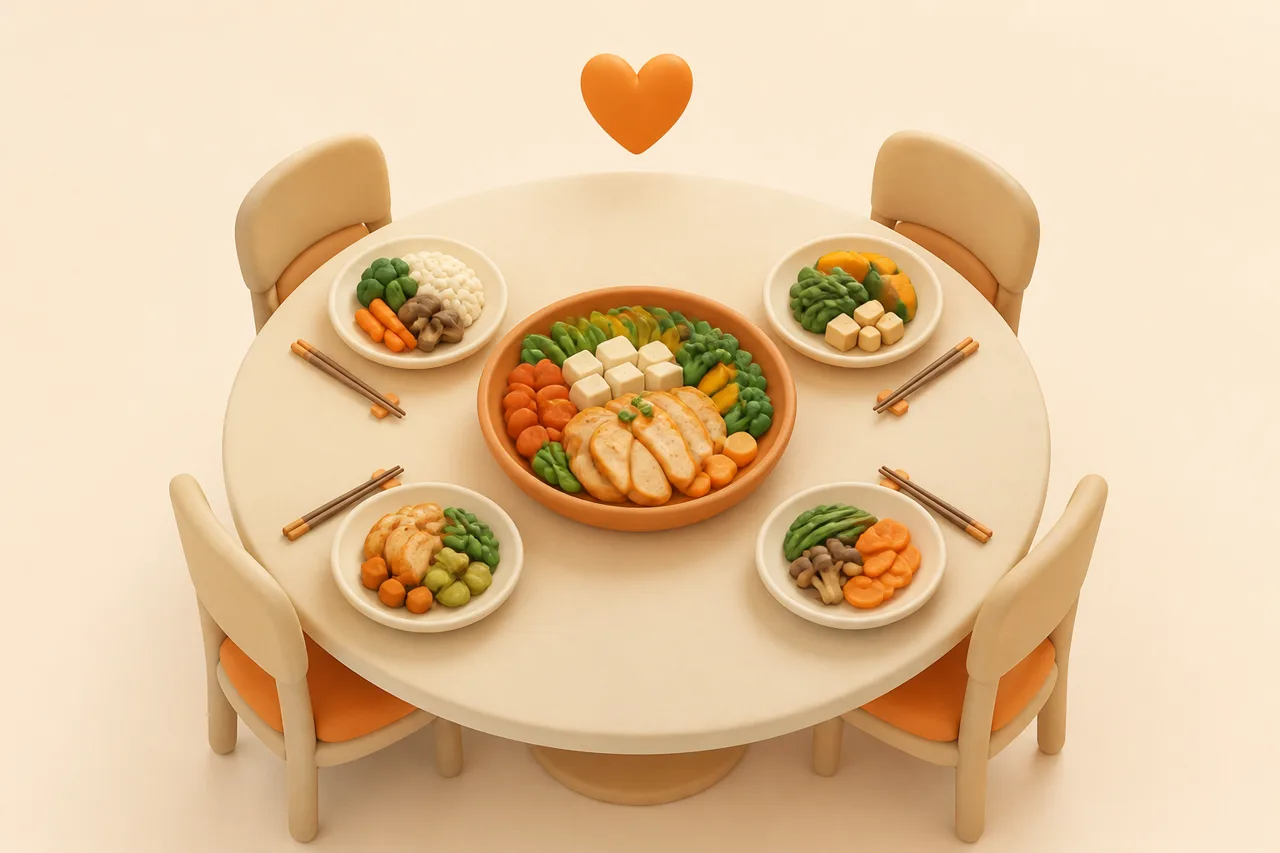
Most dinners are already gluten-free or 1 ingredient away. Planning around that, rather than around special products, is what stops you cooking twice.
The expensive way to eat gluten-free is to rebuild your existing meals out of substitute products. The cheap way is to notice how many dinners are already gluten-free, and how many of the rest need exactly 1 change.
This article covers planning around that, the 5 ingredients that cause nearly all the problems, and how to feed a mixed household without cooking twice.
What does gluten-free planning actually involve?
Two decisions: which dinners need no adaptation, and which need a swap you keep in the cupboard. Once both are settled for your usual repertoire, weekly planning is normal planning.
Most cuisines built on rice, potatoes, maize or pulses are already compliant. Thai, Mexican, Indian and much Mediterranean cooking need nothing changed beyond checking a sauce, which makes them the natural backbone of a plan.
The recipes that need work are the ones where wheat is doing something structural: pasta, bread, batter, pastry and anything thickened with flour. Those are worth identifying up front so they are a deliberate choice rather than a Tuesday surprise.
Which ingredients cause the problems?
Five, and after that the frequency drops sharply. Learning these covers the large majority of recipes you will meet.
| Ingredient | Common in | Swap |
|---|---|---|
| Soy sauce | Stir-fries, marinades, dressings | Tamari, near-identical in flavour |
| Wheat flour, thickening | Sauces, gravies, stews | Cornflour, about half the quantity |
| Stock cubes | Almost everything savoury | A gluten-free brand, check the label |
| Breadcrumbs | Coatings, meatballs, toppings | Ground rice, polenta or crushed cornflakes |
| Pasta | Weeknight dinners | Maize or rice pasta, cooked 2 minutes less |
| Malt extract | Cereals, some sauces and vinegars | No direct swap, choose another product |
| Couscous | Salads and sides | Quinoa or rice, not bulgur |
Malt is worth singling out because the name suggests nothing. Malt extract and malt vinegar come from barley, so a cereal or sauce that looks harmless is not, and there is no substitution to make: it is a product change. Manage gluten-free recipes covers keeping track of which of your recipes are affected.
How do you avoid cooking twice?
Plan the gluten-free version as the household default and add the gluten-containing element on the side for whoever wants it. Almost every meal can be structured that way.
- A curry or stew with rice for everyone, bread served separately.
- A chilli with rice or potatoes, tortillas on the table rather than in the dish.
- A traybake with roasted potatoes rather than a wheat-based side.
- Pasta cooked in 2 pans, which is the one genuine duplication and takes no extra attention.
- Salads assembled without croutons, with croutons in a bowl alongside.
The pattern is to put the gluten in a component rather than in the base of the dish. Once the base is compliant, everyone eats the same dinner and the difference is what sits next to it, which is the general household approach in cook for multiple diets.
What does an app help with?
Two specific jobs, and it is worth being clear about the limits of both.
The first is reading a recipe's ingredients against your rule and flagging the lines that break it, then suggesting a swap. That matters most for recipes you imported yourself from a video or a cookbook photo, since nobody tagged those and reading every line manually is how planning becomes an hour's work. Dietary filtering covers the mechanism.
The second is the shopping list. Once a plan exists, merging ingredients across recipes and grouping them by aisle means one shop, and a gluten-free shop benefits more than most because it involves specific products from specific parts of the supermarket.
What software cannot do is guarantee a product. It reads recipes, not packets, and manufacturers reformulate. For coeliac disease the app narrows the work and the label is still the authority.
What does a week actually look like?
Concretely, since the principle of planning around naturally compliant dinners is easier to agree with than to picture.
| Night | Dinner | Adaptation needed |
|---|---|---|
| Monday | Chicken traybake with potatoes | None |
| Tuesday | Beef and black bean stir-fry with rice | Tamari instead of soy sauce |
| Wednesday | Open, leftovers or pantry | None |
| Thursday | Chilli with rice, tortillas on the side | Check the stock cube |
| Friday | Salmon with roasted vegetables | None |
| Weekend | Open, or pasta in 2 pans | Separate water for gluten-free pasta |
That week needs one bottle of tamari and one brand check. Nothing on it is a substitute product, nobody is eating a compromised version of the meal, and the shop is a single trip. Building 3 or 4 weeks like that gives you a rotation, and the substitute products become an occasional choice for baking rather than the foundation of your eating.
Households running gluten-free alongside another requirement can use the same structure, planning from the intersection of the 2. Halal meal planner sets out the pool-based version of the same routine.
What about cross-contamination?
Substitution handles the recipe; contamination is a separate problem and it matters for coeliac disease rather than for a preference or mild sensitivity.
- 1Use separate water for gluten-free pasta rather than the pan that just cooked wheat pasta.
- 2Keep a dedicated toaster or use toaster bags, since crumbs are the classic route.
- 3Watch shared butter, jam and spreads where a knife has been in bread.
- 4Use separate colanders, or wash thoroughly, because starch clings.
- 5Fry gluten-free items first if using shared oil, or use fresh oil.
None of that changes the plan; it changes the kitchen. Worth setting up once rather than deciding each evening, and it is the reason a household should treat gluten-free as a default rather than an exception.
Baking is the one area where substitution genuinely does not carry over, and it deserves separating from the rest of your cooking. Wheat flour in a cake is providing structure, so swapping it for a gluten-free blend changes how the batter behaves rather than just its flavour. The workable approach is to use recipes written for gluten-free flour instead of adapting wheat recipes, and to accept that this is a different skill from swapping tamari into a stir-fry. Bread is harder still, since gluten is what traps the gas that makes a loaf rise, and a good gluten-free loaf relies on binders such as psyllium husk to do that job instead.
Keeping those recipes in their own group also stops them contaminating your assessment of the rest. Savoury cooking adapts easily; baking does not, and treating them as one problem makes gluten-free eating sound harder than it is.
On apps, ReciBites vs Intent covers a diet-led planner and ReciBites vs Mealime covers curated plans built from the app's own recipes.
- Tamari
- A soy sauce made without wheat. Close enough in flavour and function to substitute directly in most recipes.
- Cross-contamination
- Gluten transferred from shared equipment, water or spreads. Relevant to coeliac disease, and not solved by substitution.
- Malt extract
- A barley-derived ingredient in cereals and some sauces. Contains gluten and has no direct substitute, so the product must change.
Frequently asked questions
+How do I plan gluten-free meals for a mixed household?
Make the gluten-free version the default and serve the gluten-containing part separately, such as bread or tortillas on the table rather than in the dish.
+Which ingredients most often contain gluten?
Soy sauce, wheat flour used for thickening, stock cubes, breadcrumbs, pasta, couscous and malt extract in cereals and vinegars.
+What is the best swap for soy sauce?
Tamari. It is made without wheat and is close enough in flavour and function to substitute directly, which makes most stir-fries available again.
+How do I thicken a sauce without flour?
Cornflour, using roughly half the quantity of flour called for, mixed with cold water first. Reduction also works and adds no ingredient.
+Is malt extract gluten-free?
No. It comes from barley, so cereals and sauces containing it are unsuitable, and there is no substitution: the product itself has to change.
+Does an app make a recipe safe for coeliac disease?
It flags ingredients and narrows the work. It cannot verify a specific product or prevent cross-contamination, so labels and kitchen setup still matter.
+Which cuisines are naturally gluten-free?
Much Thai, Mexican, Indian and Mediterranean cooking, since they are built on rice, maize, potatoes and pulses. Check sauces and stock.
+How do I stop cross-contamination?
Separate pasta water, a dedicated toaster or toaster bags, separate spreads, thoroughly washed colanders, and fresh oil for frying.
- #gluten free
- #meal planner
- #dietary needs
- #substitutions