

Special Diets and Fitness
How to manage gluten-free recipes and avoid hidden gluten
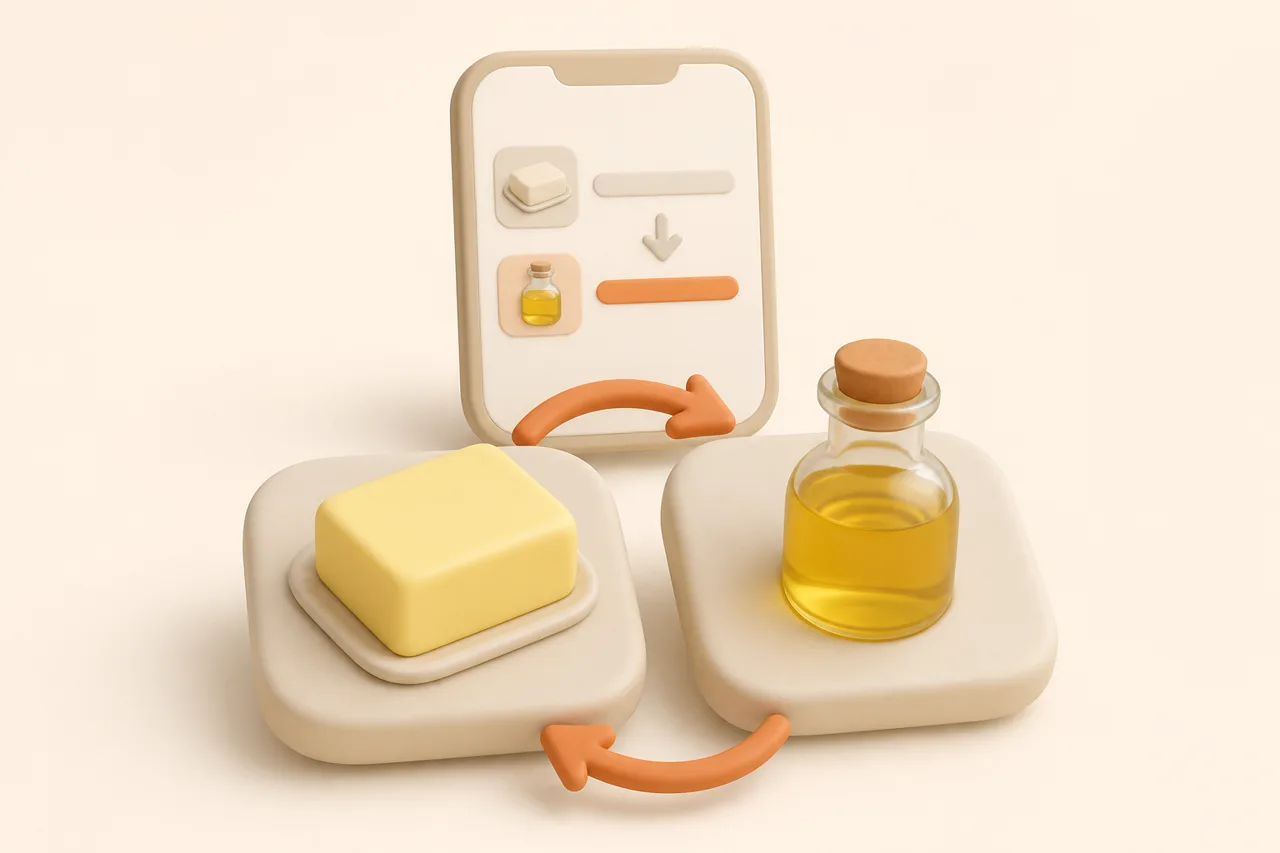
A recipe with no flour in it can still contain gluten. Soy sauce, stock cubes, malt vinegar and a spice blend will do it, and none of them announce themselves.
The flour is the easy part. What catches people out is a stir-fry that is entirely vegetables and chicken, seasoned with a soy sauce that is roughly half wheat, or a stew whose only gluten source is a stock cube.
This guide covers where gluten hides in ordinary recipes, how to run a shared kitchen without cooking two dinners, and how to keep a gluten-free library that stays trustworthy as it grows.
What does gluten-free actually mean on a recipe?
Gluten-free means the finished dish contains no wheat, barley, rye or their derivatives, and in most regulated markets the labelling threshold for a packaged product is 20 parts per million. A recipe cannot make that guarantee on its own, because it depends on the specific products you buy and how you cook it.
That gap between the recipe and your kitchen is the whole subject. A recipe can be gluten-free as written and still produce an unsafe meal if the stock cube contains wheat starch or the pasta water was shared.
What is the difference between coeliac disease and sensitivity?
Coeliac disease is an autoimmune condition in which gluten damages the small intestine, and trace amounts matter. Non-coeliac gluten sensitivity causes symptoms without that intestinal damage, and tolerance varies between people.
The practical consequence is how far you take contamination control. A coeliac household needs separate toasters, colanders and chopping boards; someone avoiding gluten for symptom management often does not, and can share equipment after a wash.
| Question | Coeliac | Sensitivity or preference |
|---|---|---|
| Do crumbs matter? | Yes, trace amounts can trigger damage | Usually not |
| Shared toaster | No, use a dedicated one or bags | Generally fine after cleaning |
| Shared pasta water | No, never reuse it | Generally fine |
| Fryer used for battered food | No | Usually avoid, but lower risk |
May contain wheat labels | Avoid | Judge by your own tolerance |
Where does gluten hide in ordinary recipes?
Gluten hides in seasonings, thickeners and anything malted, which is why a recipe with no visible flour can still fail. These are the lines to check on every imported recipe.
| Ingredient | Why it contains gluten | Gluten-free swap |
|---|---|---|
| Soy sauce | Standard soy sauce is brewed with wheat | Tamari labelled gluten-free, or coconut aminos |
| Stock cubes and bouillon | Wheat starch is a common bulking agent | A brand with a gluten-free statement, or homemade stock |
| Malt vinegar | Malt is made from barley | Cider, wine or distilled white vinegar |
| Oats | Usually milled and transported alongside wheat | Oats specifically certified gluten-free |
| Spice blends and curry powders | Anti-caking and bulking agents can be wheat-based | Single spices you blend yourself |
| Baking powder | Some formulations use wheat starch, not cornflour | A brand that states its starch source |
| Processed meat and sausages | Rusk and breadcrumb fillers are standard | Butcher-made or clearly labelled products |
| Thickened sauces and gravies | Roux and wheat-starch thickeners | Cornflour, arrowroot or a reduction |
Beer, seitan, some sweets, communion wafers and a surprising number of stock-based soups belong on the same list. Building the habit of scanning for these is the same skill described in adapting recipes for allergies.
Why are imported recipes riskier?
Imported recipes are riskier because ingredient names and product formulations do not travel. A recipe written in one country assumes local products, and the equivalent product where you shop may be made differently.
- Names diverge. Cornflour means cornstarch in one country and fine maize flour in another. One thickens, one does not.
- Default products differ. Plain soy sauce, baking powder and stock cubes vary in whether they contain wheat by region.
- Labelling rules differ, so an allergen statement you rely on at home may not be required abroad.
- Video recipes skip brands. A creator's on-screen bottle is often the only clue to which product they used.
Add a note to any recipe you import from abroad recording which local products you verified. Imports from video are the ones most likely to lose that detail, which is worth remembering when you read how accurate AI extraction is.
How do you keep a shared kitchen safe?
In a coeliac household, control the 6 places where crumbs and flour actually move. Separation beats cleaning for porous or hard-to-clean items, and cleaning is fine for everything else.
- 1Toaster. Crumbs are unavoidable. Use a dedicated toaster or reusable toaster bags.
- 2Colander and sieve. Mesh holds starch through a normal wash. Keep a separate one.
- 3Wooden boards and utensils. Scored wood traps residue. Switch to plastic or keep them separate.
- 4Butter, jam and spreads. A knife that has touched toast contaminates the jar. Squeeze bottles solve this.
- 5Flour in the air. Wheat flour stays airborne for a long time. Bake gluten-free first, or on a different day.
- 6Pasta water and fryer oil. Never shared, and never reused across the two.
Cook the gluten-free version first and plate it before the rest goes near the hob. Where a household is juggling several diets at once, the sequencing approach in cooking for multiple diets avoids making two separate dinners.
Storage deserves the same thinking. Keep gluten-free flours on a shelf above wheat flour rather than below it, decant them into sealed containers, and label the containers, because an unlabelled jar of white powder is a decision nobody wants to make while cooking.
How does gluten-free baking behave differently?
Gluten-free flours absorb more liquid, provide no elastic structure and stale faster, so swapping flour 1:1 and changing nothing else gives you a crumbly, dry result. Three adjustments fix most recipes.
Add a binder
Gluten is what holds a crumb together. Xanthan gum at roughly half a teaspoon per 100 g of flour, or psyllium husk in breads, replaces that structure. Many commercial blends already include one, so check before adding more.
Increase hydration and rest the batter
Rice and sorghum flours hydrate slowly. Add 10 to 15 percent more liquid than the original, then rest the batter for 20 to 30 minutes so the grittiness disappears before it hits the oven.
Expect different browning and shelf life
Gluten-free bakes brown faster on the outside and dry out within a day. Bake slightly cooler for slightly longer, and freeze in portions on the day you bake rather than keeping a loaf out.
How should you organise a gluten-free recipe library?
Tag by verification state rather than by dish type, because the question you ask at 6pm is "can I cook this tonight without research?" Three states cover it.
- `gf-safe` — cooked before with products you verified, and the note records which brands.
- `gf-swap` — needs a named substitution, written into the recipe. Example:
soy sauce to tamari. - `gf-check` — contains something unverified, usually a branded sauce or a spice blend.
Write brand names into the recipe notes. The brand is the thing you verified, and a year later it is the only detail that lets you trust your own tag without starting again. Web recipes lose this fastest, which is why capturing the whole page matters in saving recipes from a website.
Where does an app fit into this?
An app handles capture, adaptation and repetition, and cannot handle verification. ReciBites imports recipes from social video, any URL, cookbook photos and handwritten cards, keeps your tags and notes attached, and can rewrite a recipe for gluten-free constraints through its AI cooking assistant.
What it cannot do is confirm that the tamari on your shelf is gluten-free, or know your tolerance. The assistant proposes a substitution; you confirm the product. Choosing between tools comes down to how well they hold your notes and tags, which is the axis behind ReciBites vs Paprika and ReciBites vs Copy Me That.
The real payoff is repetition. Once 25 or 30 recipes carry a verified tag and named brands, weeknight cooking stops involving any research at all, and the weekly grocery list builds itself from recipes you have already cleared.
Once the library is in order, a gluten-free meal planner covers feeding a mixed household without cooking 2 separate dinners.
- Coeliac disease
- An autoimmune condition in which gluten damages the lining of the small intestine. Trace exposure matters.
- Cross-contamination
- Gluten transferred from another food through shared equipment, oil, water or airborne flour rather than through an ingredient.
- Tamari
- A Japanese soy sauce traditionally brewed with little or no wheat. Only buy versions carrying a gluten-free statement.
- 20 ppm
- The parts-per-million threshold below which a packaged product can be labelled gluten-free in most regulated markets.
Frequently asked questions
+What foods contain hidden gluten?
Soy sauce, stock cubes, malt vinegar, standard oats, spice blends, some baking powders, sausages with rusk, and sauces thickened with a wheat-based roux.
+Are oats gluten-free?
Oats do not contain gluten, but they are usually milled and transported with wheat. Buy oats specifically certified gluten-free if you have coeliac disease.
+Is soy sauce gluten-free?
Standard soy sauce is brewed with wheat. Use tamari that carries a gluten-free statement, or coconut aminos, and check the bottle rather than assuming.
+Can I use one kitchen for gluten-free and normal cooking?
Yes, with separation for the hard cases: toaster, colander, wooden boards, spread jars, pasta water and fryer oil. Cook the gluten-free food first.
+Can an app make a recipe gluten-free?
It can suggest substitutions and rewrite the affected steps. The ReciBites assistant does this, but you still verify each product's label yourself before cooking.
+Why is my gluten-free baking dry and crumbly?
Gluten-free flours absorb more liquid and lack structure. Add 10 to 15 percent more liquid, include a binder such as xanthan gum, and rest the batter.
+Do I need to worry about crumbs if I am gluten sensitive?
Usually not, unlike coeliac disease where trace amounts matter. Confirm which applies to you with a clinician, because it changes how you set up your kitchen.
+How do I organise gluten-free recipes so I trust them later?
Tag each recipe as verified, needs a swap, or unchecked, and write the specific brands you verified into the notes. The brand is what you actually confirmed.
- #gluten-free
- #coeliac
- #cross-contamination
- #recipe safety