


Special Diets and Fitness
How to plan a week of halal meals without checking every recipe
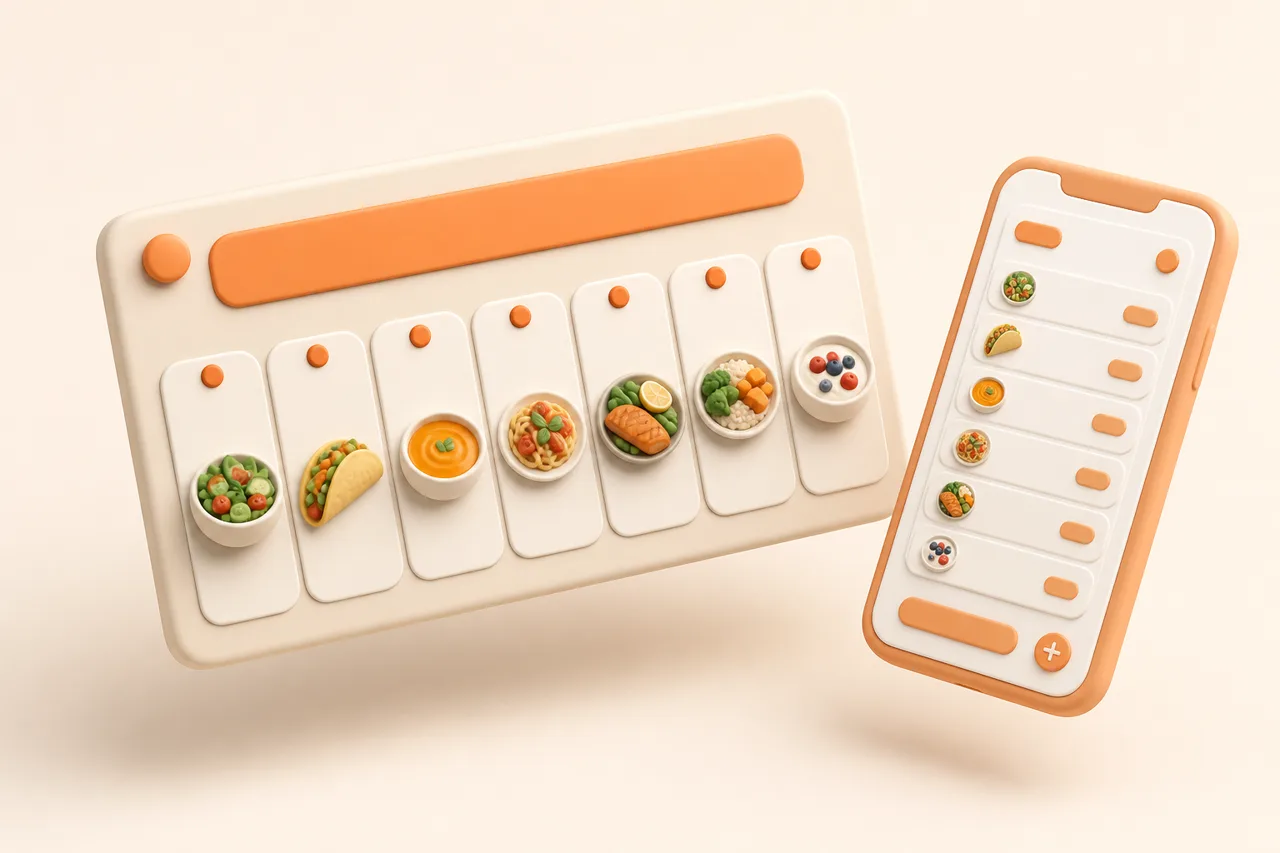
Checking recipes one at a time is why halal planning takes an hour. Build the pool once and the weekly decision drops to about 20 minutes.
Halal meal planning takes longer than it should for a structural reason. Most people verify recipes at the point of planning, which means re-reading the same ingredient lists every week, and the effort scales with how often you plan rather than with how many recipes you have.
Move the checking to the point of saving and it becomes a one-off cost per recipe. This article covers building that pool, the ingredients worth watching, and a weekly routine of about 20 minutes.
What is a halal meal planner?
In practice it is 2 things working together: a pool of recipes you have already verified as halal, and a weekly process that assigns those recipes to days and produces one shopping list.
The pool does the heavy lifting. Once a recipe is in it, planning never asks the question again, so the weekly decision is scheduling rather than compliance checking.
Software helps at 2 specific points: reading a recipe's ingredients against your rules and flagging the lines that break them, and merging the planned recipes into a single grocery list. Neither replaces your judgement on brands and certification, and both remove the repetitive part.
How do you build the recipe pool?
Aim for about 25 recipes, which is enough to plan a month without repetition. Building it takes one session and then maintains itself as you save new things.
- 1Start with what you already cook. Most households have 8 to 12 dishes in rotation that are already compliant.
- 2Add the recipes you saved and never made, checking each once as you import it.
- 3Fill obvious gaps deliberately: a fish night, 2 vegetarian dinners, something for a slow evening.
- 4Note the swap on any recipe that needed one, so you do not rediscover it in 3 months.
- 5Tag by cooking time rather than cuisine, since time is what you choose by on a weeknight.
That last point is worth taking seriously. Categories like Middle Eastern or Italian are how recipes get filed and not how dinner gets chosen; under 20 minutes and over 40 minutes is the distinction that decides Tuesday. Find and organize halal recipes covers the collection side in more detail.
Which ingredients need watching?
The obvious ones look after themselves. The recurring problems are ingredients whose names give no indication, plus a category people forget entirely, which is alcohol used in cooking.
| Ingredient | Where it hides | Usual swap |
|---|---|---|
| Gelatine | Marshmallows, mousses, some yoghurts, panna cotta | Agar agar or a halal-certified gelatine |
| Alcohol in extracts | Vanilla extract, some flavourings | Alcohol-free vanilla or vanilla paste |
| Wine and spirits | Sauces, risotto, many braises | Stock plus a splash of vinegar or grape juice |
| Rennet | Some hard cheeses, notably traditional Parmesan | Vegetarian or microbial rennet cheese |
| Bacon and pancetta | Carbonara, stews, greens, many soups | Smoked turkey, beef bacon or smoked paprika |
| Lard and animal fats | Pastry, refried beans, some breads | Butter, oil or vegetable shortening |
| Mono- and diglycerides | Processed baked goods and spreads | Check the brand, since source varies |
Wine in braises is the one that catches experienced cooks, because it is written into so many European recipes as a background ingredient. Stock with a spoonful of vinegar covers the acidity it was providing, and the dish is usually indistinguishable.
How does flagging beat filtering?
Filtering hides recipes that break a rule. Flagging tells you which line is the problem and what to use instead, and the difference decides how much you get to cook.
Most non-compliant recipes are 1 ingredient away from working. A risotto with wine, a dessert with gelatine, a stew with pancetta: reject them and you lose 3 good dinners, swap them and you gain 3. Over a library of 200 recipes that difference is enormous, which is the argument in dietary filtering.
Flagging also handles the case a tagged catalogue cannot: recipes you imported yourself from a video or a family cookbook, which nobody has labelled. Since those are usually the recipes you most want to cook, ingredient-level checking is the more useful mechanism.
What about eating out and packaged food?
Planning covers the meals you cook, which for most households is 4 or 5 dinners a week. The rest needs a different approach, and it is worth deciding once rather than negotiating each time.
For packaged food the work is label reading, and the same short list of ingredients recurs: gelatine in confectionery and desserts, animal-derived emulsifiers in baked goods, rennet in cheese, and alcohol in flavourings. Once you know your usual brands, this becomes a check on new products rather than a weekly task.
For restaurants the practical question is usually about the meat supply rather than a recipe, and no app answers it. What planning does help with is reducing how often the question arises: a week with 4 dinners already decided and shopped for is a week with fewer improvised meals out.
- Decide your position on cheese and gelatine once, then apply it without revisiting.
- Keep a short list of trusted brands for the products you buy most often.
- Note swaps on the recipe itself, so a decision made in March still applies in September.
- Treat eating out as a separate category rather than trying to fold it into the plan.
What does the weekly routine look like?
About 20 minutes once the pool exists, and the shape matters more than the speed: all the deciding happens at once, in advance.
- Pick 4 dinners from the pool, not 7. Leftovers and changed plans fill the rest.
- Put the quick ones on the busy nights, using cooking time rather than cuisine to choose.
- Generate one list with duplicate ingredients merged and items grouped by aisle.
- Do a single shop. Two shops a week is where a plan usually dies.
- Leave 2 nights open for whatever needs using up.
For a household with more than 1 requirement, halal alongside a gluten intolerance for instance, plan from the intersection rather than cooking separately, which cook for multiple diets covers. Ramadan changes the shape of the week rather than the method, and best Ramadan desserts is a starting pool for that period. If part of the household is plant-based, vegan meal planner uses the same pool-and-plan structure.
One detail makes the pool worth more over time: record why a recipe passed or what you changed. A note saying stock plus vinegar instead of white wine turns a decision you made once into a permanent property of that recipe, and it means a family member cooking the same dish gets it right without asking. A pool of 25 recipes carrying their own notes is a household system rather than one person's knowledge.
On apps, ReciBites vs Intent covers a diet-led planner and ReciBites vs Mealime covers a curated approach where the recipes are the app's rather than yours.
- Recipe pool
- A set of recipes already checked against your requirements, so weekly planning is scheduling rather than compliance checking.
- Flagging
- Marking the specific ingredient that breaks a rule and offering a replacement, rather than hiding the recipe entirely.
- Rennet
- An enzyme used in cheesemaking, traditionally animal-derived. Microbial and vegetarian versions are widely available.
Frequently asked questions
+How do I plan halal meals without checking every recipe?
Check recipes once when you save them, building a pool of about 25 verified dishes. Weekly planning then becomes scheduling rather than compliance checking.
+Which ingredients are easiest to miss?
Gelatine in desserts, alcohol in vanilla extract, wine in braises and sauces, animal rennet in hard cheeses, and lard in pastry.
+What replaces wine in a recipe?
Stock with a splash of vinegar or grape juice covers the acidity the wine was providing. In most braises the difference is hard to detect.
+What can I use instead of gelatine?
Agar agar, or a halal-certified gelatine. Agar sets firmer, so use slightly less than the recipe's gelatine quantity and test a small amount first.
+Can an app confirm a recipe is halal?
It can flag ingredients that break your rules and suggest swaps. It cannot verify certification of the specific brand you bought, so labels still matter.
+How many recipes do I need in the pool?
About 25 covers a month without repetition. Most households already have 8 to 12 compliant dishes in rotation to start from.
+How many dinners should I plan each week?
Four, leaving 2 nights open. Leftovers, changed arrangements and one takeaway usually cover the rest, and a shorter plan survives the week.
+Should I tag recipes by cuisine or cooking time?
Time. On a weeknight you choose by how long you have, not by cuisine, so under 20 minutes is a more useful label than Middle Eastern.
- #halal
- #meal planner
- #dietary needs
- #grocery list