

Special Diets and Fitness
How to plan a week of vegan meals that hits enough protein
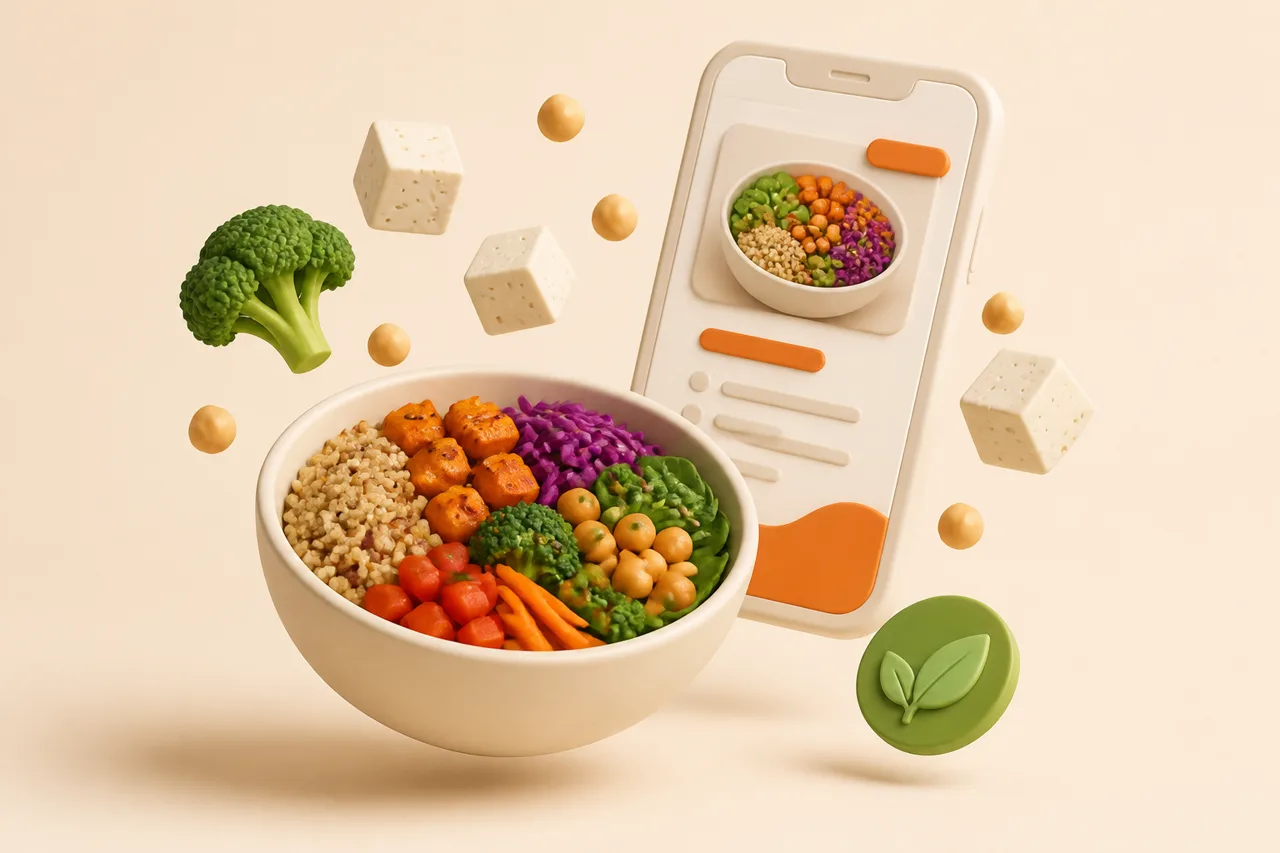
The failure mode is not finding vegan recipes, it is a week of meals that leave you hungry at 9pm. Anchor each dinner to a protein and the plan holds.
Vegan meal planning rarely fails for lack of recipes. It fails on a Wednesday, when the third vegetable-heavy dinner in a row leaves everyone hungry by 9pm and somebody suggests ordering something.
That is a protein problem disguised as a motivation problem. This article covers planning around a protein anchor, the ingredients that quietly break a vegan rule, and a weekly routine that takes about 20 minutes.
What does a vegan meal plan need to get right?
Three things, in order of how often they cause a plan to collapse: enough protein per meal, enough variety across the week, and not requiring 6 new ingredients per recipe.
Protein comes first because it determines whether a meal satisfies. A plate of roasted vegetables with grains is pleasant and leaves most adults hungry 2 hours later, and hunger is what breaks adherence rather than any objection to the food.
Variety comes second because plant-based cooking has a specific failure pattern: 5 dinners that are all essentially a grain, a vegetable and a sauce. Different cuisines, not different vegetables, is what fixes it.
How much protein does each option provide?
Around 25 to 30 g per main meal works for most people. Knowing what that looks like in ingredients lets you check a recipe in a few seconds rather than calculating.
| Ingredient | Portion | Protein, approximate |
|---|---|---|
| Firm tofu | 200 g | 28 g |
| Tempeh | 150 g | 28 g |
| Seitan | 100 g | 25 g |
| Cooked red lentils | 250 g | 22 g |
| Cooked chickpeas | 250 g | 18 g |
| Black beans, cooked | 250 g | 20 g |
| Edamame | 150 g | 17 g |
| Soya milk | 250 ml | 8 g |
| Peanut butter | 2 tbsp | 8 g |
| Quinoa, cooked | 200 g | 8 g |
The practical rule is one anchor per dinner plus a supporting source. Tofu with a peanut sauce, lentils with a yoghurt alternative, chickpeas with tahini: each combination lands comfortably in range without arithmetic. High-protein vegan dinners lists complete recipes with the numbers stated.
Which ingredients break a vegan rule?
Meat and dairy are obvious. The recurring problems are ingredients that appear in things marketed as vegetarian, or that hide behind technical names on a label.
- Gelatine in sweets, mousses and some yoghurts. Agar agar replaces it in setting.
- Honey in dressings, granola and marinades. Maple syrup or agave substitutes directly.
- Whey and casein in bread, crisps, chocolate and processed foods, both dairy proteins.
- Fish sauce and anchovy in Thai curry pastes, Worcestershire sauce and Caesar dressing.
- Egg in fresh pasta, some breads, mayonnaise and many baked goods.
- Shellac and carmine as glazes and colourings, mostly in confectionery.
- Some rennet cheeses, which matters if a household is transitioning rather than fully vegan.
Fish sauce is the one that catches people most often, because a Thai curry looks entirely plant-based and the paste contains shrimp. Checking a recipe against your rules at the point of saving avoids rediscovering this in the middle of cooking, and dietary filtering covers how flagging works.
How do you avoid a repetitive week?
Vary by cuisine rather than by vegetable. Swapping courgette for aubergine produces the same dinner; swapping a Mexican bean bowl for a Thai curry does not.
A workable structure for 4 planned dinners is one bean-based, one tofu or tempeh, one lentil or split pea, and one that leans on pasta or bread. Four different anchors, 4 different flavour directions, and no two evenings that feel alike.
- 1Choose the anchor first, then the cuisine, then the vegetables you happen to have.
- 2Batch cook 2 components rather than 5 complete meals: a pot of lentils and a tray of roasted vegetables become 3 dinners.
- 3Keep 3 sauces on rotation. Peanut, tahini and a tomato base cover most of the range.
- 4Reuse the same anchor twice a week in 2 different cuisines rather than buying 4 anchors.
That last point also controls the shop. Buying 4 different protein sources for 4 dinners is where a vegan week gets expensive, whereas 2 anchors used twice each halves that line of the bill. Batch cook for the week covers the timings.
How do you keep the cost down?
Plant-based eating is cheaper than most diets when built on pulses and more expensive than most when built on packaged substitutes. The difference between those 2 versions of the same week is substantial, and it is entirely a planning decision.
| Protein source | Relative cost | Best used as |
|---|---|---|
| Dried lentils and beans | Cheapest by a wide margin | The backbone, 2 dinners a week |
| Tinned pulses | Cheap, worth the convenience | Weeknights when time is short |
| Tofu | Moderate | An anchor for stir-fries and curries |
| Tempeh | Moderate to high | When you want texture and depth |
| Seitan | Moderate if homemade | Occasional, high protein per portion |
| Packaged meat alternatives | Most expensive | Transition meals and convenience, not the base |
Dried pulses take planning rather than effort: they need soaking or a longer cook, which is fine if the decision was made on Sunday and impossible if it is made at 7pm. That is the strongest argument for planning in a plant-based household, and it is why the cheapest ingredients are the ones improvised weeks never use.
What does the weekly routine look like?
About 20 minutes of deciding and one shop. As with any plan, the value is in doing all the choosing at once rather than nightly.
- Pick 4 dinners from recipes you have already checked, one per anchor.
- Put the quickest on the busiest nights.
- Generate one grocery list with duplicates merged and items in aisle order.
- Cook 2 components at the weekend, not 5 meals.
- Leave 2 nights for leftovers and whatever needs using.
For a household that is not entirely vegan, plan the vegan dinner as the default and add a protein alongside for anyone who wants one, rather than cooking twice. Cook for multiple diets covers that pattern, and manage a vegan recipe collection covers keeping the library in order. For the protein arithmetic on its own, high-protein meal planner sets out the per-meal floor method, and gluten-free meal planner covers stacking a second restriction on top.
A last note on iron and B12, since they come up whenever protein does. Pairing pulses and grains with a source of vitamin C, such as tomatoes, peppers or a squeeze of lemon, improves how much iron you absorb from them, which is a free improvement to meals you were cooking anyway. B12 is the one genuinely worth deliberate attention on a fully plant-based diet, whether through fortified foods or a supplement, and it is a shopping decision rather than a planning one.
On apps, ReciBites vs Mealime covers curated plans and ReciBites vs Lifesum covers a diet programme with tracking attached.
- Protein anchor
- The main protein source in a meal, chosen before the rest of the dish so every dinner clears a minimum.
- Component cooking
- Bulk cooking 2 or 3 elements, such as a pot of lentils and a tray of vegetables, then combining them differently.
- Agar agar
- A seaweed-derived setting agent that replaces gelatine. Sets firmer, so use slightly less than the gelatine quantity.
Frequently asked questions
+How much protein should a vegan dinner have?
Around 25 to 30 g. That is roughly 200 g of firm tofu, 150 g of tempeh, or 250 g of cooked lentils with a supporting source alongside.
+Why do vegan meal plans fail?
Usually not enough protein per meal, so people are hungry 2 hours later. Anchoring every dinner to tofu, tempeh, lentils or beans fixes most of it.
+Which hidden ingredients are not vegan?
Gelatine, honey, whey and casein, fish sauce and anchovy, egg in fresh pasta, and shellac or carmine in confectionery.
+Is Thai curry paste vegan?
Often not. Many contain shrimp paste or fish sauce despite the finished dish looking plant-based, so check the specific paste before buying.
+How do I stop a vegan week being repetitive?
Vary the cuisine rather than the vegetable. Four different anchors across 4 dinners with different flavour bases feels varied; swapping courgette for aubergine does not.
+How do I keep a vegan shop affordable?
Use 2 protein anchors twice each rather than buying 4. Lentils and beans are the cheapest sources, and tofu is cheaper than most meat alternatives.
+What replaces honey in a recipe?
Maple syrup or agave, roughly one for one. Both are slightly thinner, so reduce other liquid a little in baking.
+How do I plan for a partly vegan household?
Cook the vegan dinner as the default and add a protein alongside for anyone who wants one, rather than cooking 2 separate meals.
- #vegan
- #meal planner
- #high protein
- #dietary needs