

Recipes
Post-workout meals: 15 ready in under 20 minutes
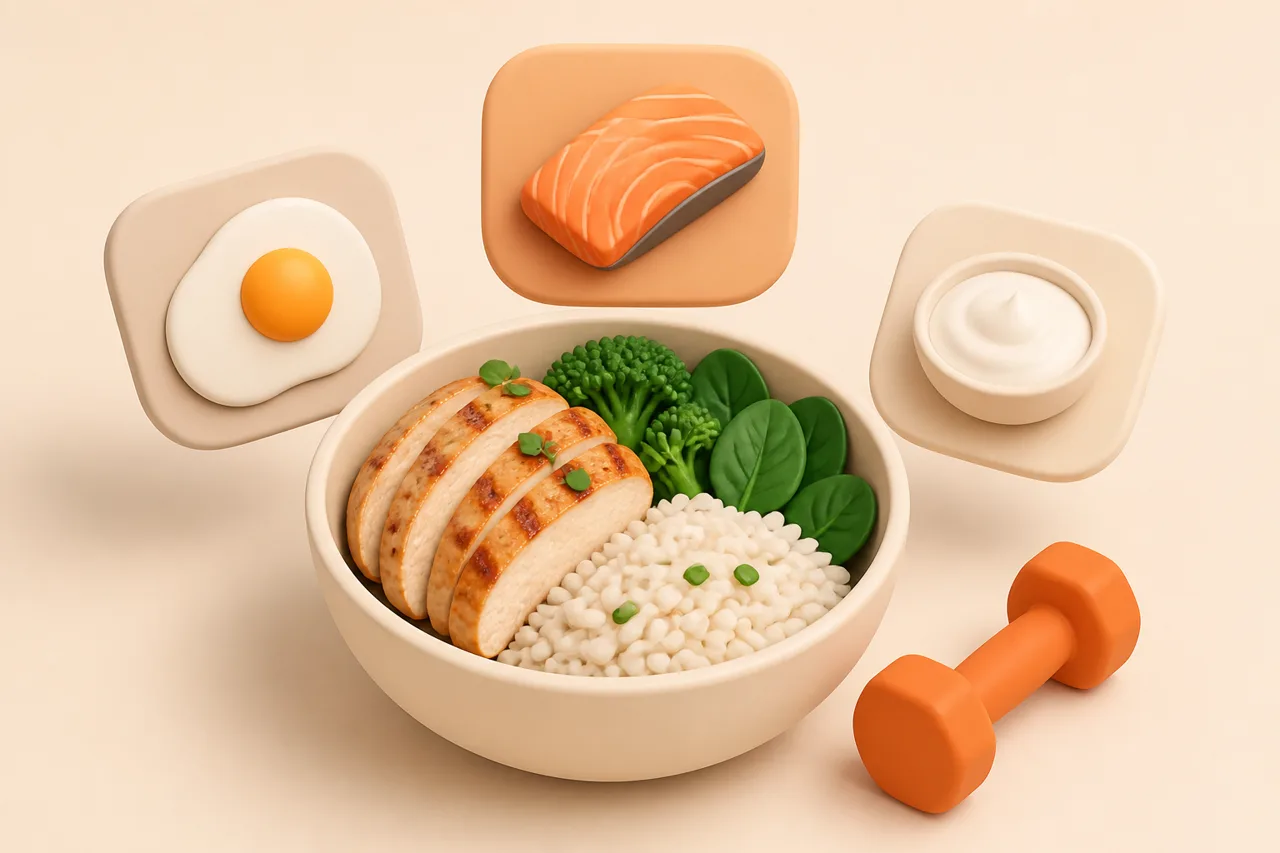
The best post-workout meal is the one you will actually cook while tired and hungry. These 15 pair 30 to 45 g of protein with carbohydrate and are ready in under 20 minutes.
A post-workout meal has 2 jobs: provide protein for repair and carbohydrate to replace what you used. In practice its most important property is being fast, because a meal that takes 40 minutes when you are tired and hungry gets replaced by whatever is nearest.
The 15 meals below each provide 30 to 45 g of protein with matching carbohydrate, and all are ready in under 20 minutes. Several are assembly rather than cooking, which is deliberate: the fastest options are the ones that get eaten on the evenings when a session has run late and cooking is the last thing anyone wants to start.
On timing, the strict 30-minute window that used to be standard advice is now generally treated as far more forgiving, with total daily intake mattering more than precise timing. Eating within a couple of hours is a reasonable target rather than a race.
That shift changes what a good post-workout meal looks like. If the window were narrow, the priority would be speed at any cost, which is how the category became dominated by powders. With a wider window the priority becomes a real meal you will repeat, and that is a much easier problem to solve in a kitchen.
What is a good post-workout meal?
One with 30 to 45 g of protein and a similar quantity of carbohydrate. Chicken with rice, salmon with couscous, or Greek yoghurt with oats and honey all qualify, and the last one needs no cooking at all.
The carbohydrate is the part people skip when trying to lose weight, and it is worth including anyway. Training uses stored glycogen, and replacing it is what makes the next session feel normal rather than heavy.
| Meal | Protein | Carbohydrate | Time |
|---|---|---|---|
| Chicken and rice bowl | About 45 g | About 60 g | 12 minutes with cooked rice |
| Salmon with couscous | About 38 g | About 45 g | 15 minutes |
| Greek yoghurt, oats and honey | About 30 g | About 55 g | 3 minutes |
| Tuna and pasta with sweetcorn | About 40 g | About 65 g | 14 minutes |
| Eggs and beans on toast | About 30 g | About 50 g | 8 minutes |
| Chicken wrap with yoghurt sauce | About 40 g | About 45 g | 8 minutes |
| Prawn and egg fried rice | About 37 g | About 60 g | 10 minutes |
| Tofu and edamame noodles | About 45 g | About 55 g | 14 minutes |
| Cottage cheese pancakes | About 32 g | About 40 g | 12 minutes |
| Milk, banana and peanut butter shake | About 30 g | About 55 g | 3 minutes |
Five in under 10 minutes
These are the realistic options for the walk home from a session, and each needs almost no attention.
- Greek yoghurt with oats and honey. Two hundred and fifty grams of yoghurt, 60 g oats, honey and berries. Three minutes and roughly 30 g of protein.
- Eggs and beans on toast. Two eggs and a tin of beans reaches about 30 g with 50 g of carbohydrate. Eight minutes.
- Chicken wrap with yoghurt sauce. Using pre-cooked chicken from the fridge, this is assembly only.
- Milk, banana and peanut butter shake. About 30 g of protein and easy to finish when appetite is low after hard training.
- Prawn and egg fried rice. Frozen prawns and cold rice, 10 minutes, roughly 37 g.
Five bigger meals for hard sessions
After heavy lifting or a long run, the same principles apply at a larger scale. These carry more carbohydrate without becoming a project to cook.
- Chicken and rice bowl. One hundred and fifty grams of cooked thigh with 200 g cooked rice, soy and sesame. About 45 g of protein and 60 g of carbohydrate.
- Tuna and pasta with sweetcorn. Two tins of tuna, 150 g pasta, sweetcorn and olive oil. Around 40 g of protein and the highest carbohydrate here.
- Tofu and edamame noodles. Two hundred grams of tofu with 150 g edamame and noodles. About 45 g and entirely plant based.
- Salmon with couscous and yoghurt. Couscous needs only hot water, so this is 15 minutes with almost no attention.
- Beef mince and potato hash. Mince browned with pre-boiled potatoes, topped with an egg. Roughly 45 g of protein.
The rice bowl is the one worth building a habit around, because cooked rice keeps for a day in the fridge and the whole meal becomes 12 minutes with no decisions in it.
How do you prepare for the week?
Two things cooked in advance cover every meal above: a batch of protein and a batch of carbohydrate. Neither takes long and both remove the decision at the point where you are least willing to make it.
- 1Roast 1 kg of chicken thighs. Forty minutes at 200C, and it covers 5 meals.
- 2Cook 500 g of rice. Cool it quickly, refrigerate, and use it within a day for fried rice or bowls.
- 3Keep frozen prawns and edamame in. Both cook from frozen in under 5 minutes.
- 4Portion yoghurt into containers. A 1 kg tub costs roughly half what individual pots do.
- 5Keep 1 no-cook option ready for the sessions that finish late, such as yoghurt with oats already portioned in the fridge.
- 6Keep tinned fish and tortillas in. A tuna wrap with yoghurt sauce is 5 minutes and roughly 35 g of protein with nothing prepared in advance at all.
Does the timing window matter?
Much less than it was once presented. The idea of a narrow 30-minute anabolic window has been substantially revised, and current thinking places far more weight on total daily protein intake and consistency than on precise timing around a session.
- Total daily protein is the main variable. Roughly 1.6 to 2.2 g per kilogram of bodyweight is the commonly cited range for people training regularly.
- Spreading it across meals helps. Three or 4 servings of 30 to 45 g is easier to reach than 2 large ones.
- Carbohydrate matters most if you train twice a day, or again within about 8 hours.
- Eating within a couple of hours is fine for most people training once a day.
- Convenience beats optimisation. The meal you eat consistently will always outperform the theoretically ideal one that you skip because it needed 40 minutes.
This is general information rather than individual advice, and the research on nutrient timing continues to move. Anyone training seriously, managing a health condition or preparing for competition should set targets with a qualified professional rather than taking them from a recipe collection.
For the tooling side of the same problem, apps for athletes who cook covers which app handles training, which handles food logistics, and whether you need measurement at all.
For the underlying arithmetic, high-protein recipes lists protein per ingredient and high-protein meal prep covers cooking a week's protein in one session. Breakfast on a training day is covered in high-protein breakfast ideas.
If you are eating in a surplus, best bulking recipes has the calorie-dense versions. On keeping recipes and their numbers together, ReciBites vs Samsung Food and ReciBites vs Intent are the relevant comparisons.
Frequently asked questions
+What should I eat after a workout?
Thirty to 45 g of protein with a similar amount of carbohydrate. Chicken with rice, salmon with couscous, or Greek yoghurt with oats all work.
+Do I need to eat within 30 minutes of training?
Probably not. The strict anabolic window has been substantially revised, and total daily protein intake matters more than precise timing for most people.
+How much protein do I need after training?
Around 30 to 45 g in the meal, within a daily total of roughly 1.6 to 2.2 g per kilogram of bodyweight. Spreading it across meals is easier than loading one.
+Should I eat carbs after a workout?
Yes, especially if you train again within about 8 hours. Carbohydrate replaces the glycogen used during training, which is what makes the next session feel normal.
+Is a protein shake enough after training?
It covers the protein but not the carbohydrate. Blending milk, banana and oats into it, or eating a meal soon after, covers both.
+What is the fastest high-protein post-workout meal?
Greek yoghurt with oats and honey, about 3 minutes and 30 g of protein. Eggs and beans on toast takes 8 minutes for a similar total.
+Can I get enough protein without supplements?
Yes. Every meal in this collection reaches 30 g or more using chicken, fish, eggs, dairy, tofu and pulses, with no powder involved.
+What if I have no appetite after training?
Drink it. A shake of milk, banana and peanut butter provides about 30 g of protein and is far easier to finish than a plate of food.
- #diets and fitness
- #high protein
- #post workout
- #quick