

Recipes
High-protein recipes: 15 dinners with 40 g a serving
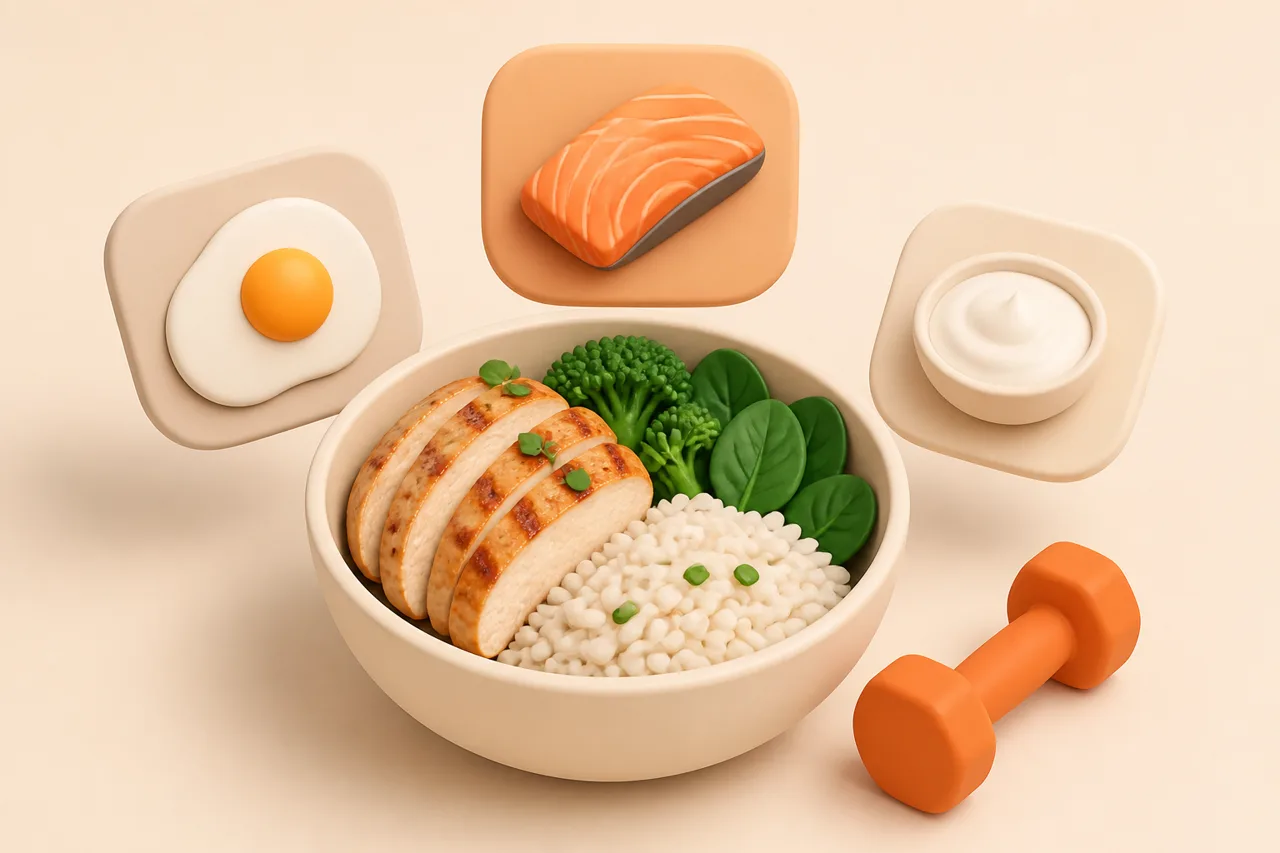
A high-protein recipe is arithmetic before it is cooking. These 15 dinners each land near 40 g a serving, and the numbers behind every ingredient are listed so you can build your own.
A high-protein recipe is one where the protein is designed in rather than hoped for. Forty grams a serving means about 150 g of cooked chicken, 2 tins of tuna between 2 people, or a plant meal that pairs 2 sources instead of relying on one. Everything else in the dish is context.
The 15 dinners below each land near 40 g a serving. The ingredient table underneath is the part worth keeping, because it lets you check any recipe rather than trusting a headline.
What is a high-protein recipe?
A meal with 30 g or more of protein per serving is high protein for most purposes, and 40 g is the number worth aiming at if you are training and eating 3 times a day. Below 20 g a meal, hitting a daily target of 150 g means eating constantly.
The reliable route is 1 dense source plus 1 supporting source. Chicken and yoghurt, tuna and beans, tofu and edamame. Two sources together clear 40 g in a normal-sized portion, where one usually cannot.
The reason to care about the number per meal rather than per day is that protein is harder to backfill than any other macro. Missing 40 g at lunch means eating an uncomfortable dinner to catch up, whereas carbohydrates and fat move around a day without much trouble. Designing each meal to clear the bar removes that arithmetic entirely.
| Ingredient | Portion | Protein | Use it in |
|---|---|---|---|
| Chicken thigh, cooked | 150 g | About 39 g | Traybakes, curries, rice bowls |
| Tinned tuna, drained | 1 tin, 145 g | About 30 g | Pasta, salads, jacket potatoes |
| Greek yoghurt, 5 percent | 200 g | About 20 g | Marinades, sauces, breakfast |
| Cottage cheese | 200 g | About 22 g | Folded into eggs, pasta, dips |
| Firm tofu | 200 g | About 32 g | Stir-fries, curries, roasting |
| Cooked brown lentils | 200 g | About 18 g | Ragu, soups, salads |
| Edamame, frozen | 150 g | About 17 g | A side that quietly adds protein |
| Eggs | 2 large | About 13 g | Anything at all |
Meat and fish dinners near 40 g
These are the straightforward ones, where a single portion of the main ingredient does most of the work and nothing has to be calculated mid-cook.
- Yoghurt-marinated chicken thighs. 150 g cooked thigh with a 100 g yoghurt marinade lands near 49 g. The acid in the yoghurt also keeps thigh meat from drying out.
- Tuna pasta with white beans. One tin plus 100 g beans is roughly 38 g, and the beans thicken the sauce as they break down.
- Salmon traybake with edamame. 130 g salmon and 150 g edamame comes to about 45 g.
- Beef and lentil ragu. Half the mince swapped for lentils keeps protein near 40 g and cuts the cost by a third.
- Prawn and egg fried rice. 120 g prawns and 2 eggs is about 37 g, and it takes 8 minutes.
Plant-based dinners that still clear 35 g
This is where the pairing rule matters. A bowl of lentils alone sits near 18 g, which is a lunch rather than a high-protein dinner.
- Tofu and edamame stir-fry. 200 g tofu with 150 g edamame is about 49 g, the highest plant total here.
- Lentil dal with a yoghurt swirl. 200 g cooked lentils and 150 g yoghurt reaches roughly 33 g.
- Chickpea and tahini bowl. 240 g chickpeas plus 30 g tahini is near 25 g, so add an egg to clear 35 g.
- Tempeh and peanut noodles. 150 g tempeh with 30 g peanut butter lands around 38 g.
- Black bean and cottage cheese quesadilla. An unusual pairing that reaches about 35 g.
How do you add 20 g without changing the meal?
Three additions raise almost any dinner by 15 to 25 g without altering what it tastes like, which is more useful than finding new recipes.
- 1Fold cottage cheese into anything creamy. 200 g adds 22 g and disappears into pasta sauce, scrambled eggs or mash.
- 2Add frozen edamame as the vegetable. 150 g adds 17 g and cooks in 4 minutes from frozen.
- 3Use Greek yoghurt where a recipe wants cream. 200 g adds 20 g and reduces the fat at the same time.
- 4Crack an extra egg into the pan. 6 g each, and it works in fried rice, soup, noodles or a traybake.
- 5Swap half the mince for lentils. Keeps the protein flat while cutting the cost, which is the only swap here that saves money.
To turn these into a week rather than a list, a high-protein meal planner covers setting a per-meal floor instead of counting daily totals.
What does 150 g of protein in a day look like?
Spreading protein across 3 meals is easier than loading it into dinner, because there is a practical ceiling to how much meat anyone wants in one sitting. A day that reaches 150 g looks unremarkable when it is written out.
| Meal | What it is | Protein |
|---|---|---|
| Breakfast | 2 eggs scrambled with 150 g cottage cheese | About 30 g |
| Lunch | Tuna and white bean salad with olive oil | About 38 g |
| Snack | 200 g Greek yoghurt with nuts | About 22 g |
| Dinner | 150 g chicken thigh with rice and edamame | About 50 g |
| Total | Four eating occasions, no shakes | About 140 g |
The gap between 140 g and a higher target is usually closed with 1 more dairy portion rather than a bigger dinner. A glass of milk, a second yoghurt or 100 g more cottage cheese moves the number without changing what you cook, which is why dairy does so much work in high-protein diets.
How do you plan a high-protein week?
Cook one large base of protein rather than cooking daily. A kilo of chicken thighs or 2 blocks of tofu, roasted on Sunday, covers 5 dinners if the dressing changes each time.
Vary the sauce rather than the protein and the week stops feeling repetitive. The same roasted chicken becomes a rice bowl with soy and sesame, a wrap with yoghurt and cucumber, a salad with lemon and olive oil, and a pasta with tomato. Four dinners, one cooking session, and no drop in the protein number on any of them.
The weekly mechanics are covered in high-protein meal prep, and the tracking side in track macros in recipes. If you are scaling a recipe to hit a target, the ratios matter more than the totals, which scale recipe servings explains.
For the version of this that also has to be cheap, cheap recipes uses the same lentil and egg base from a cost angle. If your macro numbers live in one app and your recipes in another, ReciBites vs Samsung Food and ReciBites vs Flavorish are the comparisons that address it.
Frequently asked questions
+What is a high-protein recipe?
One providing 30 g or more of protein per serving, and 40 g if you are training. That usually means about 150 g of cooked meat or fish, or 2 plant sources paired.
+How do I get 40 g of protein in one meal?
Use 150 g of cooked chicken thigh, salmon with edamame, or 200 g tofu with 150 g edamame. Pairing 2 sources is the most reliable route.
+What is the highest-protein vegetarian dinner?
Tofu and edamame stir-fry, at roughly 49 g for 200 g tofu and 150 g edamame. Tempeh with peanut sauce is close behind at about 38 g.
+How much protein do I need a day?
Common guidance for active people is 1.6 to 2.2 g per kilogram of bodyweight. For a 75 kg person that is roughly 120 to 165 g, or 40 g across 3 meals.
+Does cottage cheese really add much protein?
Yes, about 22 g per 200 g. Folded into eggs, pasta sauce or mash it is nearly undetectable, which makes it the easiest addition on this list.
+Should I weigh meat raw or cooked?
Cooked, if you want the number on your plate. Meat loses roughly a quarter of its weight in the pan, so 200 g raw chicken is about 150 g cooked.
+Are lentils a complete protein source?
Lentils are lower in methionine, so pair them with grains, dairy or seeds across the day. A dal with yoghurt or rice covers it without any planning.
+Can I hit high protein on a budget?
Yes. Eggs, dried lentils, tinned fish and tofu are the cheapest protein per gram available, and all 4 appear in the recipes above.
- #diets and fitness
- #high protein
- #dinners
- #macros