

Recipes
Leftover recipes: 18 ways to turn last night into dinner
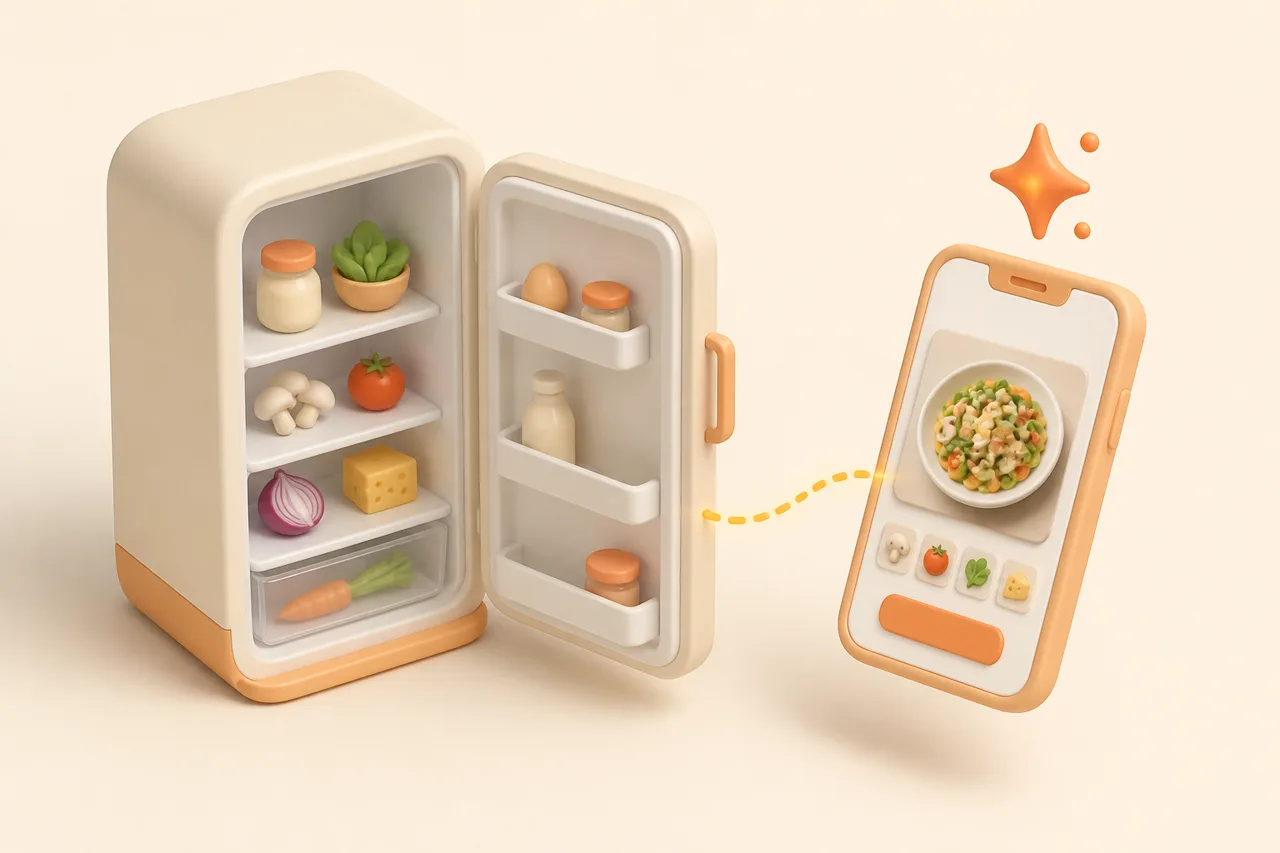
Leftovers get thrown away because reheating the same meal is boring. These 18 recipes turn what is in the fridge into a different dinner, organised by what you actually have.
Leftovers are wasted for one reason: eating the same dinner twice is dull, so the container sits in the fridge until it has to be thrown out. The fix is not better storage. It is changing the format, so last night's roast chicken becomes a wrap rather than a smaller version of the roast.
The 18 recipes below are organised by what you have left rather than by cuisine, because that is how the decision actually gets made at 6pm with the fridge open.
Two additions do most of the work in every one of them. Something fresh, such as herbs, spring onion or raw onion, and something acidic, such as lemon, vinegar or yoghurt. Cooked food loses brightness in the fridge, and those 2 things put it back.
It is worth being clear about the scale of this. Household food waste estimates commonly land near a fifth of everything bought, and leftovers plus unused fresh produce make up most of that. A second dinner from what is already cooked is the cheapest meal available in any kitchen, because the ingredients have already been paid for.
What are the best leftover recipes?
Fried rice from leftover rice, a wrap or a soup from leftover chicken, and a frittata from almost anything are the 3 most useful conversions. Each takes under 15 minutes and none tastes like a reheated meal.
The general rule is to move the leftover into a format with a different texture. Soft food becomes crisp, wet food becomes a filling, and anything can become a frittata or a soup. What does not work is reheating the same plate.
| What you have | Becomes | Time | Keeps for |
|---|---|---|---|
| Cooked rice | Egg fried rice, congee, arancini | 10 minutes | 24 hours |
| Roast chicken | Wraps, soup, pie filling, salad | 15 minutes | 3 days |
| Roast vegetables | Frittata, grain bowl, soup, tart | 15 minutes | 4 days |
| Mashed potato | Fishcakes, potato pancakes, topping | 15 minutes | 3 days |
| Bolognese or chilli | Baked potato filling, nachos, lasagne | 20 minutes | 4 days |
| Cooked pasta | Pasta frittata, pasta bake | 20 minutes | 3 days |
| Bread going stale | Croutons, panzanella, breadcrumbs | 10 minutes | Use it now |
| Cooked pulses | Hummus, burgers, soup, salad | 15 minutes | 4 days |
Rice, chicken and potato
These 3 account for most household leftovers, and each has an obvious second life that is better than the first.
- Egg fried rice. Cold rice is required rather than tolerated, because warm rice steams in the pan. Two eggs, frozen peas, soy and spring onion, 8 minutes.
- Congee. A cup of leftover rice simmered in 4 cups of stock for 20 minutes until it collapses. Ginger, soy and a soft egg on top.
- Chicken and yoghurt wraps. Shredded chicken, yoghurt, lemon, cucumber and whatever herbs exist. No cooking at all.
- Chicken and rice soup. Simmer the carcass for stock while you eat the roast, then it is 15 minutes the next day.
- Potato pancakes. Mashed potato, an egg and a spoon of flour, fried until crisp on both sides. Better than the mash was.
- Fishcakes. Mash, a tin of tuna or salmon, spring onion, shaped and fried. Roughly 25 g of protein a cake.
Anything at all: frittata, soup, bowl
Three formats absorb almost any leftover, which makes them the most useful recipes in this collection. None needs a specific ingredient.
- Frittata. Six eggs and up to 400 g of cooked anything. Roast vegetables, pasta, potato, greens, cheese ends. Twenty-five minutes at 190C, and excellent cold the next day.
- Soup. Sweat an onion, add the leftovers and stock, simmer 15 minutes, blend or do not. Roast vegetables make the best version because they are already caramelised.
- Grain bowl. Cooked grain, cold leftovers, a handful of leaves, and a dressing built from yoghurt or tahini. Assembly rather than cooking.
- Nachos or baked potato. Chilli, bolognese or any stew becomes a topping, which is a genuinely different meal.
- Toasted sandwich. Almost any leftover between bread with cheese. It sounds lazy and it is the most reliable conversion on this page.
Bread, cheese ends and the awkward extras
The leftovers that get thrown away most are not whole meals. They are the half-used items with no obvious home, and each has a use worth knowing.
- Stale bread. Blitz into breadcrumbs and freeze, tear into croutons with oil in a hot oven, or use it as the base of panzanella with salted tomatoes.
- Cheese ends. Grate everything together, freeze it, and use it for toasted sandwiches, pasta bakes and gratin toppings. Parmesan rinds go into soup.
- Herb stalks. Parsley and coriander stalks are more flavourful than the leaves. Chop them into the base of a soup or a curry.
- Wilting greens. Anything limp is fine cooked. Spinach, chard and lettuce all wilt into a soup, a frittata or a pasta sauce.
- Yoghurt near its date. Use it as a marinade for chicken, which both tenderises and seasons, or fold it into a batter for flatbreads.
- Half a tin of tomatoes or coconut milk. Freeze in an ice cube tray. Two cubes is the start of the next curry.
Cheese ends are the highest-value item on that list. A bag of mixed grated offcuts in the freezer is better than any single cheese for cooking, and it removes the most common reason cheese gets binned.
What should not be reheated?
Four things are either unsafe or unpleasant the second time, and knowing which saves both waste and disappointment.
- 1Rice, more than once. Reheat a portion a single time and only if it was cooled and refrigerated promptly.
- 2Anything fried. Batter and breadcrumbs go soft. Eat cold or refresh in a hot oven, never a microwave.
- 3Cooked shellfish. Prawns and mussels turn rubbery within seconds of reheating. Use them cold in a salad instead.
- 4Cream sauces, in a microwave. They split. Reheat gently in a pan with a splash of milk and they hold.
- 5Leafy greens already dressed. Not unsafe, just unpleasant. Keep dressing separate from the start.
Everything else on this page is fine reheated once, provided it was cooled quickly. The general principle is that food should spend as little time as possible between 5C and 60C, which mostly means not leaving a warm pan on the hob all evening.
The habit that prevents waste in the first place is planning around what is already open, which is covered in cook with what you have and reduce food waste at home. For deliberately cooking extra, batch cook for the week sets out the quantities.
Turning leftovers into a packed lunch is covered in cheap work lunch ideas, and in hot weather most of them are better cold, which is the territory of no-cook dinners. On apps that suggest recipes from what you already have, ReciBites vs BigOven and ReciBites vs Flavorish are the 2 relevant comparisons.
Frequently asked questions
+What can I cook with leftovers?
Fried rice from leftover rice, wraps or soup from chicken, and a frittata from almost any cooked vegetable. Each takes under 15 minutes and reads as a new dinner.
+How long do leftovers keep in the fridge?
Cooked rice 24 hours, cooked chicken 3 days, roast vegetables and pulses 4 days. All of those assume the food was cooled and refrigerated within an hour.
+Why is reheated rice risky?
Spores that survive cooking can multiply if rice sits warm for hours. Cool it within an hour, refrigerate, use within a day, and reheat once until steaming.
+How do I make leftovers taste less like leftovers?
Change the format and add something fresh plus something acidic. Herbs and a squeeze of lemon do more than any amount of extra seasoning.
+What can I do with leftover mashed potato?
Potato pancakes with an egg and a spoon of flour, or fishcakes with a tin of tuna. Both are crisp, which is the opposite texture to the mash.
+Can I freeze leftovers?
Yes for tomato and pulse dishes, cooked mince and soups. Avoid freezing cooked potato, cream sauces, cooked pasta and anything fried.
+What should I never reheat?
Cooked shellfish, anything fried, and rice more than once. Cream sauces can be reheated but only gently in a pan, never in a microwave.
+How much food does a household waste?
Estimates commonly put it near a fifth of what is bought, with leftovers and unused fresh produce making up most of it. Planning around the fridge is the main fix.
- #recipe collections
- #leftovers
- #food waste
- #dinners