

Recipes
Vegetarian high-protein lunches: 15 over 25 g
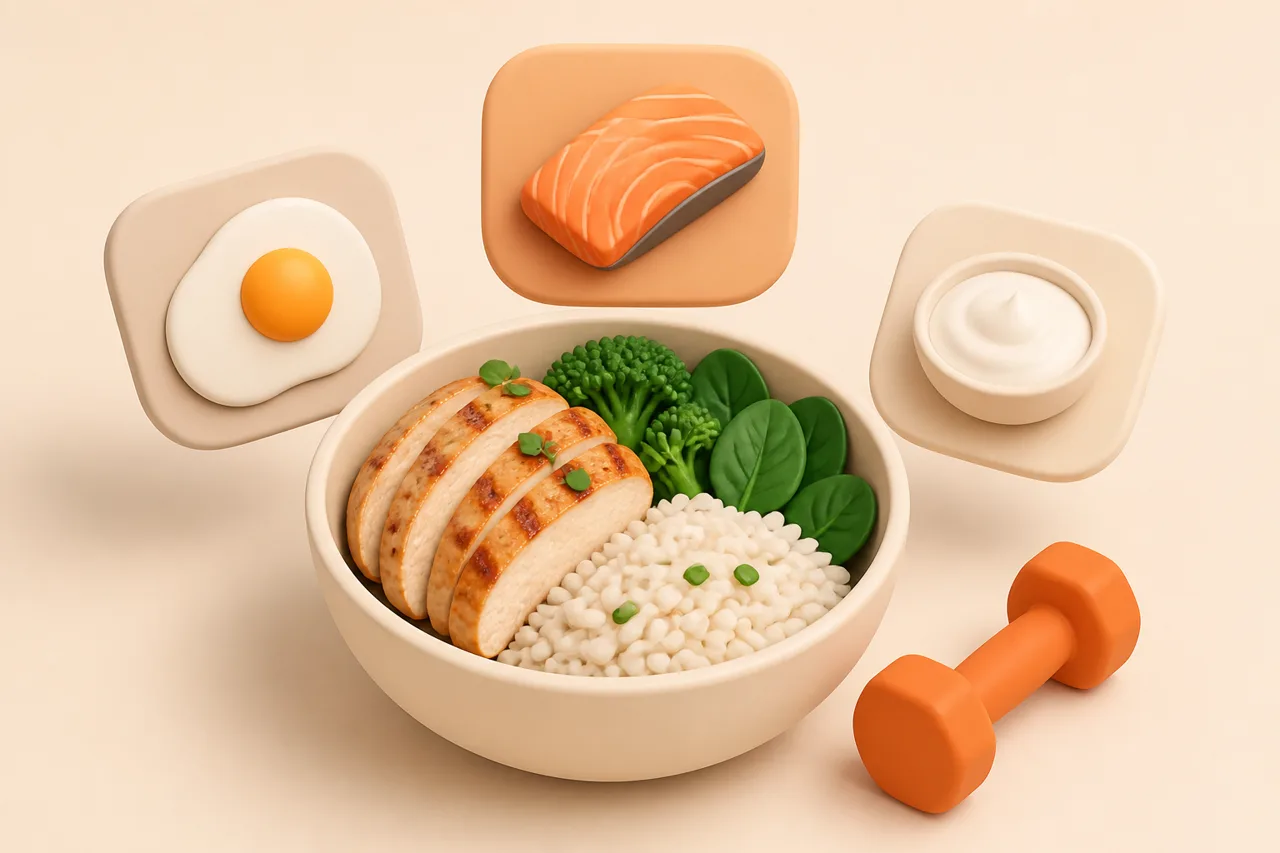
A vegetarian lunch that has to travel and carry 25 g of protein has a short list of options. These 15 all pack into a container, and the protein numbers are shown per component.
A vegetarian lunch that clears 25 g of protein almost always contains dairy or eggs, because the plant options that hit those numbers alone are soy products, and soy is a dinner ingredient more often than a packed lunch one. Cottage cheese, Greek yoghurt, eggs, halloumi and paneer are the shortcut.
The 15 lunches below all pack into a container and hold until 1pm. Each shows where the protein comes from, so you can swap components without losing the total.
Numbers are approximate per portion and vary by brand. Anything containing leaves needs its dressing in a separate pot.
What is a high-protein vegetarian lunch?
One reaching 25 g or more per portion, which usually means a pulse plus a dairy component. Chickpeas with yoghurt, a frittata with cottage cheese, or a grain bowl with feta and eggs all clear it.
The frittata is the most useful recipe here. Six eggs with 150 g of cottage cheese folded in, baked and cut into 4, gives roughly 28 g a slice, costs about $1.50 a portion, and is better cold than warm.
| Lunch | Protein | Where it comes from | Keeps |
|---|---|---|---|
| Frittata with cottage cheese | About 28 g | 6 eggs plus 150 g cottage cheese | 3 days |
| Chickpea and yoghurt bowl | About 30 g | 240 g chickpeas plus 200 g yoghurt | 2 days |
| Halloumi and lentil salad | About 32 g | 100 g halloumi plus 200 g lentils | 2 days |
| Paneer and pea rice | About 29 g | 100 g paneer plus peas and rice | 2 days |
| Cottage cheese and cucumber bowl | About 25 g | 200 g cottage cheese | 1 day |
| Egg and white bean salad | About 27 g | 2 eggs plus 200 g beans | 2 days |
| Feta, quinoa and edamame | About 28 g | 60 g feta, quinoa, 100 g edamame | 3 days |
| Greek yoghurt with nuts and seeds | About 26 g | 250 g yoghurt plus 30 g seeds | 2 days |
| Lentil soup with yoghurt | About 26 g | 250 g lentils plus a yoghurt swirl | 4 days |
| Tofu and sesame noodle jar | About 30 g | 200 g tofu | 2 days |
What to buy once for the whole week
A high-protein vegetarian week runs on a short list, and buying the large size of each is what makes it affordable.
| Item | Size worth buying | Protein per portion | Covers |
|---|---|---|---|
| Cottage cheese | Large tub | About 22 g per 200 g | Frittata, bowls, toast |
| Greek yoghurt or skyr | 1 kg tub | 20 to 27 g per 250 g | Dressings, bowls, breakfast |
| Eggs | 12 or 18 | About 6.5 g each | Frittata, hard-boiled, omelette |
| Dried lentils | 1 kg | About 18 g per 200 g cooked | Soups, salads, bowls |
| Tinned chickpeas | 4 tins | About 18 g per 240 g | Bowls, curries, crushing |
| Halloumi or paneer | 2 blocks | 18 to 25 g per 100 g | Salads, rice, traybakes |
| Mixed seeds | 500 g bag | About 10 g per 30 g | Anything at all |
Individual pots are the main avoidable cost. A 1 kg tub of yoghurt portioned into containers costs about half what the same quantity costs in single servings, and the portioning takes 2 minutes for the week.
The 4 ingredients that make the numbers work
Almost every lunch above leans on one of these, and each is cheap relative to the protein it provides.
- Cottage cheese. About 22 g per 200 g. Folded into eggs it disappears entirely, which is the easiest protein addition in vegetarian cooking.
- Greek yoghurt. About 20 g per 200 g. Works as a dressing base with lemon and garlic, so it adds protein while replacing mayonnaise.
- Eggs. About 6.5 g each. The base of frittata, and hard-boiled they need no container beyond their shell.
- Halloumi, paneer and feta. Between 15 g and 25 g per 100 g, and salty enough to season the whole bowl, which removes a step.
Five hot lunches worth reheating
If there is a microwave, these hold their protein and their texture through a reheat, which not everything does.
- Lentil soup with a yoghurt swirl. Two hundred and fifty grams of cooked lentils gives about 22 g, and the yoghurt added at the desk takes it past 26 g.
- Paneer and pea rice. One hundred grams of paneer is about 18 g, and it is one of the few cheeses that holds its shape when reheated.
- Chickpea curry with yoghurt. Coconut-based sauces reheat far more reliably than cream ones, which split.
- Halloumi and lentil salad, warmed. Halloumi squeaks cold and softens warm; both are fine, and it stays at about 32 g either way.
- Baked bean and egg pot. A tin of beans with a hard-boiled egg chopped in reaches roughly 25 g for under $1.
Paneer is underused in packed lunches and deserves attention here. Unlike most cheese it does not melt into a pool, so a rice or curry lunch containing it looks the same at 1pm as it did the night before.
Five that need no cooking at all
These are for the evenings when preparing lunch is the last thing you want to do, and all 5 are assembled in under 8 minutes.
- Cottage cheese, cucumber, chilli oil and black pepper. Twenty-five grams of protein, one bowl, no heat.
- Greek yoghurt with nuts, seeds and honey. About 26 g, and it doubles as breakfast.
- Chickpeas with tahini, lemon and parsley. Around 26 g with a tablespoon of tahini.
- Feta, white beans and tomatoes. Salt the tomatoes 10 minutes ahead so they dress the beans.
- Hummus with edamame and flatbread. Frozen edamame defrosts in the container by lunchtime and adds 17 g.
How do you batch a week of these?
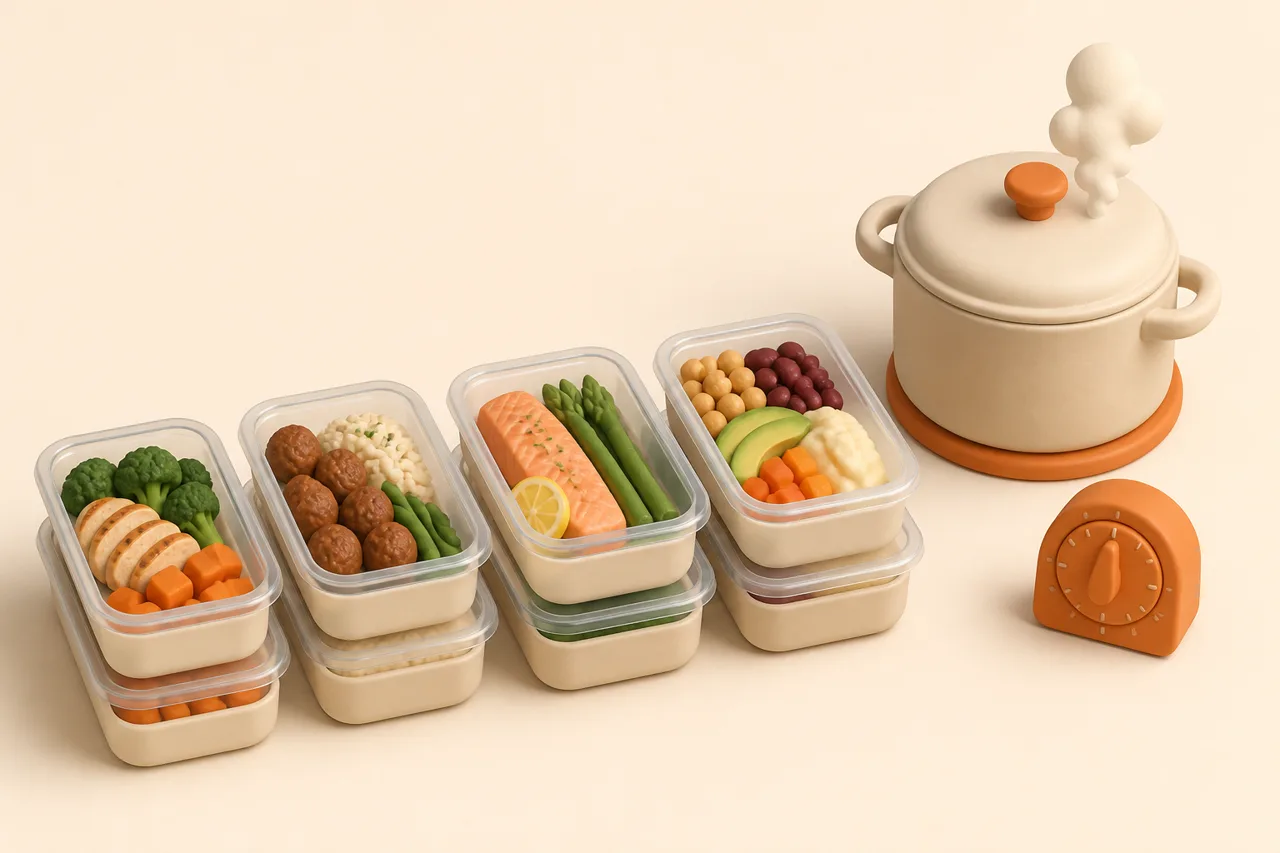
One 30-minute session covers 5 lunches. Bake a frittata, cook a pot of lentils, and portion yoghurt and cottage cheese into containers, then assemble as you go rather than building 5 identical boxes on Sunday.
- 1Bake a frittata. Twenty-five minutes at 190C, cut into 4, covers 2 lunches.
- 2Cook 400 g of lentils or a batch of quinoa. Enough base for 3 bowls.
- 3Make one dressing. Yoghurt, lemon, garlic and olive oil in a jar covers the whole week.
- 4Buy the dairy in large pots and portion it, which is cheaper than individual tubs by a wide margin.
- 5Keep 1 no-cook option ready for the day the plan does not survive.
For the vegan version of the same problem, high-protein vegan dinners covers the soy-based options that reach higher totals, and the start of the day is in high-protein breakfast ideas. The cost angle is in cheap work lunch ideas.
The weekly system is in high-protein meal prep and the numbers in track macros in recipes. On tools for a tagged dietary collection, ReciBites vs Paprika and ReciBites vs Plan to Eat are the relevant comparisons.
Frequently asked questions
+What is a high-protein vegetarian lunch?
One over 25 g a portion, usually a pulse plus dairy. A frittata with cottage cheese reaches about 28 g, and chickpeas with yoghurt about 30 g.
+How do I get 30 g of protein in a vegetarian lunch?
Combine 240 g of chickpeas with 200 g of Greek yoghurt, or pair 100 g of halloumi with 200 g of cooked lentils. Both clear 30 g.
+Which vegetarian foods are highest in protein?
Tofu and tempeh, then dairy: cottage cheese at about 11 g per 100 g, Greek yoghurt at 10 g, halloumi and paneer near 20 g.
+Does cottage cheese work in a packed lunch?
Yes, and it keeps 2 days. Folded into a baked frittata it is undetectable, which is the easiest way to add 20 g without changing the meal.
+How do I stop a packed grain bowl going soggy?
Keep the dressing separate and layer wet ingredients at the bottom. Crushing a third of the pulses helps the dressing cling once it is added.
+What vegetarian lunch needs no cooking?
Cottage cheese with cucumber and chilli oil, Greek yoghurt with nuts and seeds, or chickpeas with tahini and lemon. All reach 25 g in under 8 minutes.
+Is quinoa a good protein source?
It contributes about 8 g per 185 g cooked, which is useful as a base rather than a main source. Pair it with feta, edamame or eggs.
+How much protein do I need at lunch?
Roughly a third of your daily target, so 30 to 50 g for most active adults. Spreading it evenly across meals is easier than backfilling at dinner.
- #diets and fitness
- #vegetarian
- #high protein
- #lunch