

Recipes
Diabetic-friendly dinners: 15 balanced plates
These 15 dinners follow the balanced plate approach that most diabetes organisations describe: half vegetables, a quarter protein, a quarter wholegrain carbohydrate. They are ideas rather than medical advice.
Start with the important caveat. Diabetes management is individual, and carbohydrate targets, medication timing and monitoring should come from your own healthcare team rather than a recipe page. What follows is a set of dinner ideas built around the balanced plate approach that diabetes organisations commonly describe, not a therapeutic plan.
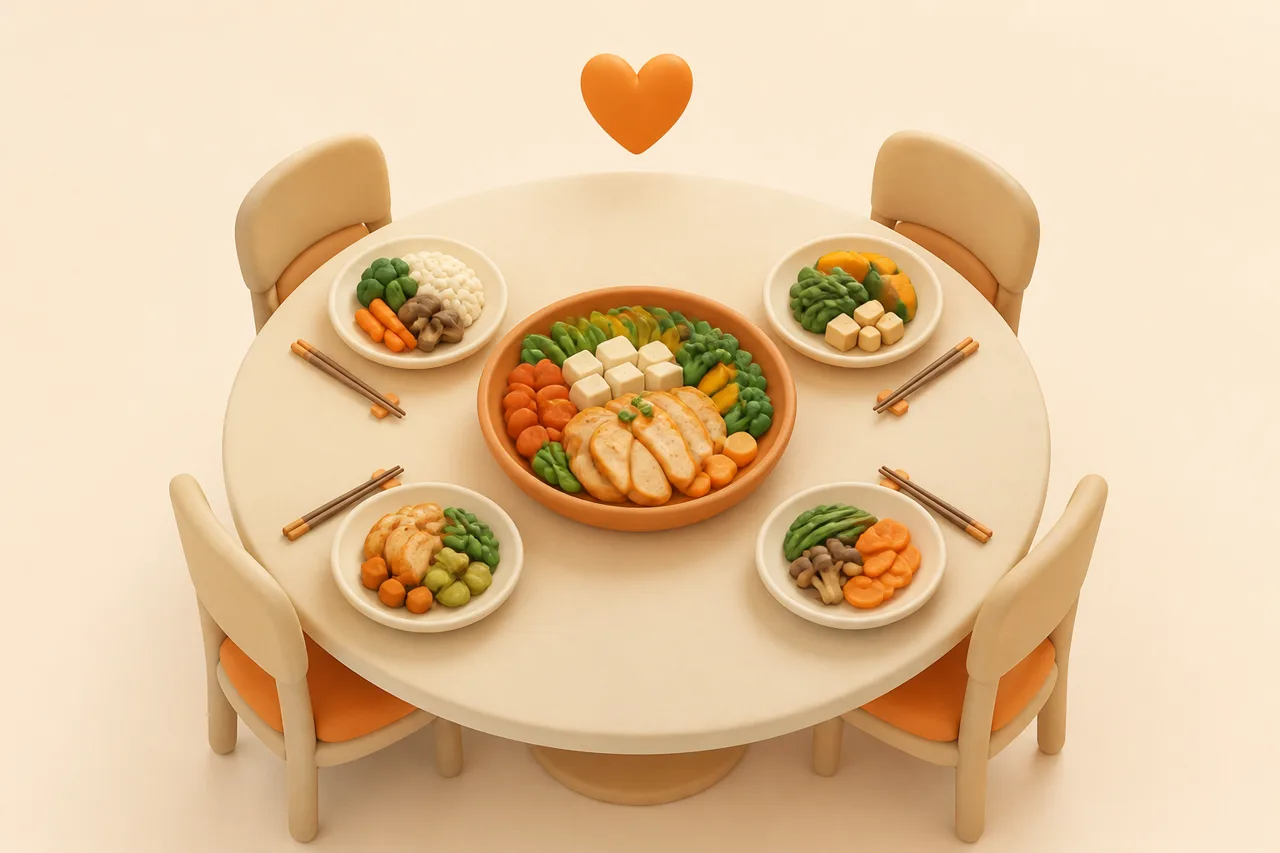
That approach is simple to picture: half the plate non-starchy vegetables, a quarter protein, a quarter carbohydrate, ideally wholegrain or pulse-based. The 15 dinners below all fit that shape.
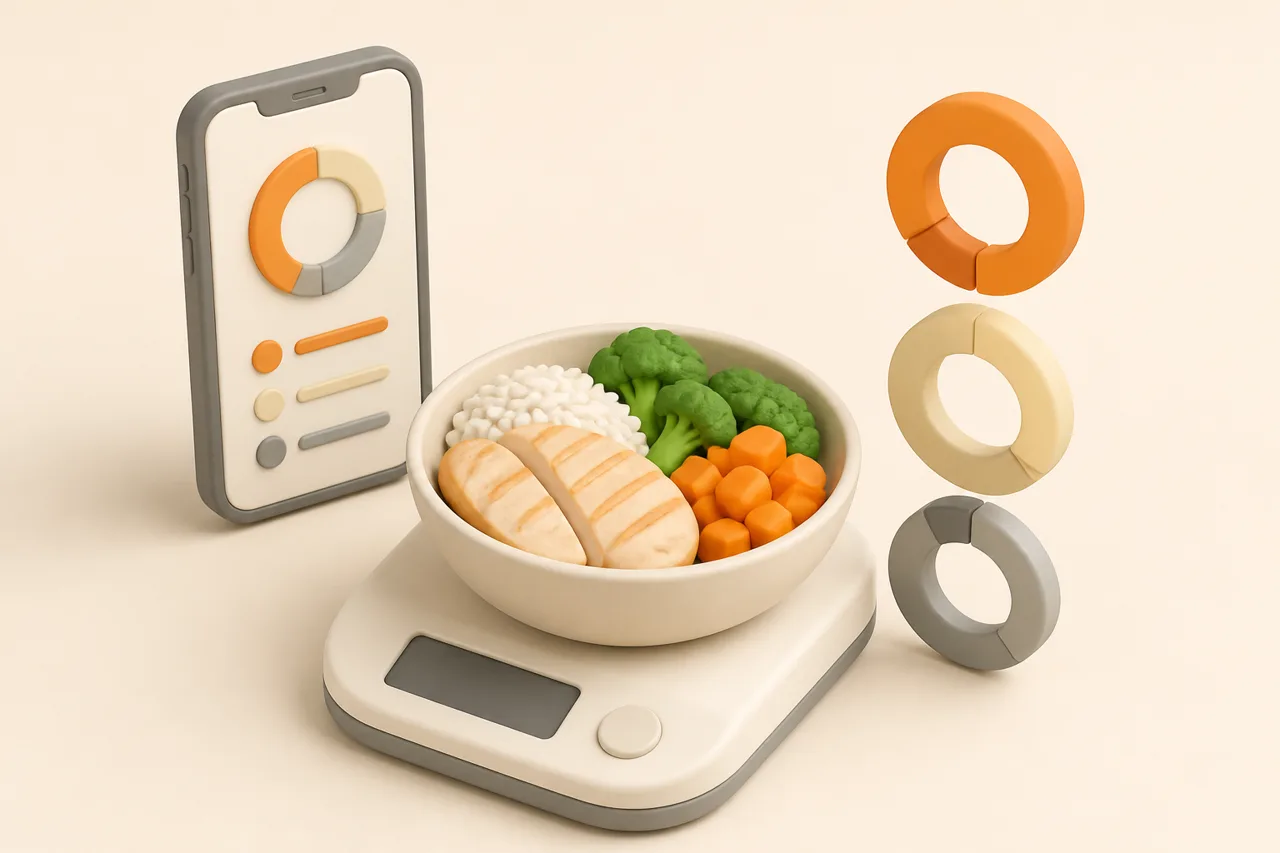
Where numbers appear they are approximate and vary by brand and portion. They are included to show the shape of a meal rather than as counts to rely on.
The reason a plate shape is more useful than a recipe list here is repeatability. A shape can be applied to whatever is in the fridge, in a restaurant, or at somebody else's house, whereas a list of 15 approved dinners runs out quickly and does not travel.
What is the balanced plate approach?
It is a way of composing a meal without counting: half of the plate non-starchy vegetables, a quarter lean protein, and a quarter carbohydrate chosen for its fibre. It gives the same result as portion arithmetic while being much easier to repeat.
The carbohydrate quarter is the part that changes most from a typical dinner. Rather than removing it, the approach reduces the portion and shifts the source towards wholegrains, pulses and vegetables that carry fibre alongside their starch.
| Part of the plate | Share | Examples | Why |
|---|---|---|---|
| Non-starchy vegetables | Half | Greens, peppers, courgette, salad, broccoli | Volume and fibre with little carbohydrate |
| Protein | A quarter | Chicken, fish, eggs, tofu, pulses | Satiety, and it slows the meal down |
| Carbohydrate | A quarter | Wholegrains, pulses, sweet potato | Fibre alongside the starch |
| Fat | Used in cooking | Olive oil, nuts, seeds, oily fish | Flavour and satiety |
Five dinners that fit the plate
Each of these is already in the right proportions, so nothing needs measuring or adjusting.
- Chicken thigh traybake with greens and a small portion of new potatoes. Roughly half the tray vegetables, with the potatoes kept to a quarter.
- Baked salmon with lentils and roasted peppers. Lentils provide the carbohydrate with fibre attached, which is the pattern this approach favours.
- Turkey mince chilli with kidney beans and a small serving of brown rice. The beans do double duty as protein and fibre.
- Cod with butter beans and wilted spinach. High protein, high fibre, and the beans replace a starch portion.
- Chickpea and vegetable curry with a small portion of wholegrain rice. Vegetarian, and the chickpeas cover both protein and fibre, which means the rice portion can stay small without the plate feeling short of anything.
Five more built the same way
These follow the same proportions with different proteins, which is how a week gets built without recalculating anything.
- Chicken and vegetable traybake with a small portion of new potatoes. Roughly half the tray vegetables, potatoes kept to a quarter.
- Mackerel with barley and greens. Oily fish, a wholegrain that holds its texture, and a large portion of greens.
- Egg and vegetable frittata with a leafy salad. No carbohydrate portion at all beyond the vegetables, which suits an evening meal for some people.
- Tofu and vegetable stir-fry with buckwheat noodles. Plant based, with the noodles kept to a quarter of the plate.
- Lamb and lentil stew with wilted spinach. A small amount of meat for flavour, with lentils carrying both protein and fibre.
| Dinner | Protein | Fibre | Carbohydrate source |
|---|---|---|---|
| Chicken traybake, new potatoes | About 40 g | About 7 g | Small potato portion |
| Mackerel, barley, greens | About 30 g | About 9 g | Barley |
| Turkey chilli, brown rice | About 35 g | About 14 g | Beans and rice |
| Cod, butter beans, spinach | About 38 g | About 11 g | Butter beans |
| Chickpea curry, wholegrain rice | About 18 g | About 14 g | Chickpeas and rice |
How the rest of the plate changes carbohydrate
One of the more useful ideas in this area is that carbohydrate rarely arrives alone. Fibre, protein and fat eaten alongside it affect how quickly a meal is digested, which is why the composition of the plate matters and not only the carbohydrate portion.
- Choose wholegrain over refined. Wholemeal pasta, brown rice and wholegrain bread carry more fibre than their white equivalents.
- Use pulses as part of the carbohydrate quarter. Beans and lentils bring protein and fibre with their starch.
- Keep protein in every meal. It contributes to satiety and slows the pace of a meal.
- Do not remove fat entirely. Olive oil, nuts and oily fish contribute to satiety, and very low fat meals are harder to sustain.
- Watch liquid carbohydrate. Juice and sweetened drinks are absorbed faster than the same carbohydrate eaten as food.
None of that replaces individual guidance. Medication, activity and monitoring all interact with meal composition, and those are questions for a clinician or dietitian rather than a recipe collection.
Practical habits that make it easier
The composition is straightforward; keeping it consistent is the harder part. Four habits do most of the work.
- Fill the vegetable half first. Serving vegetables onto the plate before anything else settles the proportions automatically.
- Batch a wholegrain. Barley or brown rice cooked on Sunday removes the temptation to reach for bread.
- Keep tinned pulses in. They cover the carbohydrate quarter and the protein quarter at once.
- Cook once, eat twice. The plate shape is easier to repeat than to reinvent nightly.
None of this replaces your own monitoring or clinical guidance, which remain the things that tell you whether a particular meal suits you.
Five more, all higher in fibre
These lean further on pulses and wholegrains, which keeps the carbohydrate quarter working harder.
- Lentil and vegetable soup with wholegrain bread. Around 12 g of fibre a serving, and it makes 4 portions.
- Black bean chilli with a small portion of brown rice. Among the highest fibre dinners in this collection.
- Roast vegetable and chickpea traybake with yoghurt. Nothing to measure, and the chickpeas crisp rather than boil.
- Mackerel with barley and greens. Oily fish plus a wholegrain that holds its texture well.
- Tofu and vegetable stir-fry with buckwheat noodles. Plant-based, with the noodles kept to a quarter of the plate.
The fibre arithmetic behind these is in high fibre recipes, and the protein side in high-protein recipes. For a broadly similar pattern with more olive oil and fish, mediterranean diet dinners covers the same territory.
If you are working out numbers for your own recipes, calculate calories in a recipe and track macros in recipes explain the method. On keeping dietary notes attached to recipes, ReciBites vs Samsung Food and ReciBites vs Paprika are the relevant comparisons.
Frequently asked questions
+What is a diabetic-friendly dinner?
Commonly described as a balanced plate: half non-starchy vegetables, a quarter protein and a quarter wholegrain or pulse-based carbohydrate. Individual targets should come from your healthcare team.
+Should I avoid carbohydrate completely?
That is a question for your clinician rather than a recipe page. The balanced plate approach reduces the portion and favours wholegrain and pulse sources rather than removing it.
+Is wholegrain better than white rice?
It carries more fibre, which is why the balanced plate approach generally favours it. Individual responses vary, so your own monitoring is the better guide.
+Do pulses count as carbohydrate or protein?
Both. Beans and lentils carry protein, fibre and starch together, which is why they often fill the carbohydrate quarter of the plate in this approach.
+Does eating protein with carbohydrate help?
Meal composition does affect how quickly food is digested, which is one reason the balanced plate includes protein and fat alongside carbohydrate rather than carbohydrate alone.
+Are fruit juices a problem?
Liquid carbohydrate is absorbed faster than the same carbohydrate eaten as whole food, so whole fruit is generally preferred. Discuss specifics with your care team.
+Can I follow a low carb diet with diabetes?
Some people do, but it interacts with medication and monitoring, so it should be planned with a clinician rather than started from a recipe collection.
+Is this page medical advice?
No. These are dinner ideas following a widely described plate structure. Carbohydrate targets, medication and monitoring are matters for your own healthcare team.
- #diets and fitness
- #balanced plate
- #dinners
- #high fibre