

Recipes
Low carb dinners: 16 under 20 g of carbohydrate
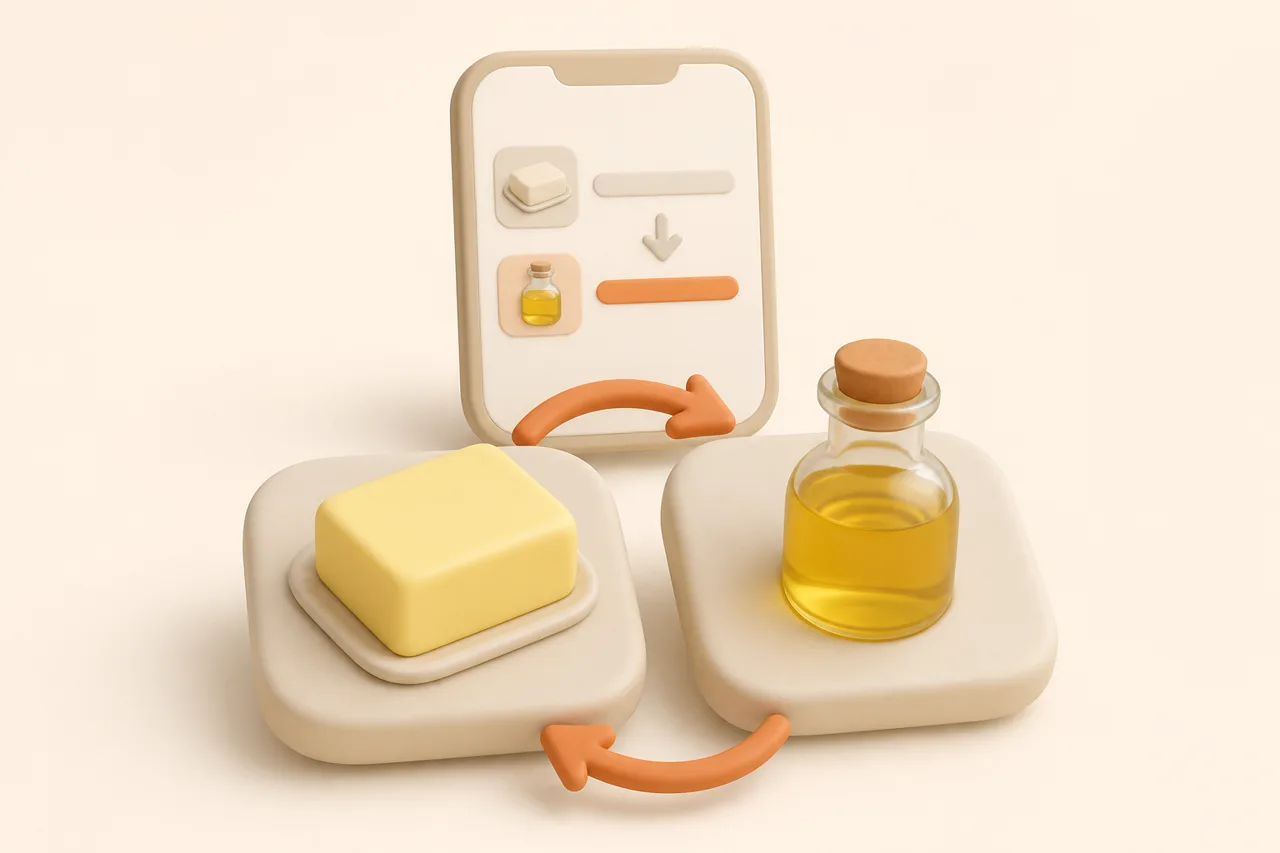
Low carb cooking is mostly about replacing the base of a plate. These 16 dinners come in under 20 g of carbohydrate, and the substitution notes say which swaps are worth making.
Almost all the carbohydrate in a normal dinner comes from one component. A plate of chicken, vegetables and sauce is already low carb; adding 200 g of cooked rice puts 60 g on it. That means low carb cooking is mostly a decision about the base rather than a new set of recipes.
The 16 dinners below each come in under 20 g of carbohydrate a serving. The substitution table is the useful part, because it separates the swaps that genuinely work from the ones that disappoint.
Figures are approximate and depend on brands and portions. This is general information rather than advice for a diagnosed condition or a specific therapeutic diet.
One framing point before the recipes. Low carb is not the same as keto, which is far stricter and usually caps total daily carbohydrate somewhere between 20 g and 50 g. The dinners here suit either approach, but they are built around a per-meal figure rather than a daily ketogenic target.
What is a low carb dinner?
In practice, one under about 20 g of carbohydrate, which means no substantial portion of rice, pasta, potato or bread. Protein plus vegetables cooked in a decent amount of fat reaches that easily without feeling restrictive.
The part people get wrong is compensation. Removing 60 g of carbohydrate takes roughly 240 calories off the plate, and if nothing replaces it the meal does not satisfy. Fat and protein are what fill the gap.
| Dinner | Carbohydrate | Protein | Time |
|---|---|---|---|
| Chicken thighs with greens | About 8 g | About 40 g | 30 minutes |
| Salmon with courgette ribbons | About 10 g | About 38 g | 20 minutes |
| Steak with mushrooms and butter | About 6 g | About 45 g | 20 minutes |
| Egg and halloumi traybake | About 12 g | About 35 g | 25 minutes |
| Chicken curry with cauliflower rice | About 16 g | About 42 g | 30 minutes |
| Prawn and pak choi stir-fry | About 12 g | About 30 g | 12 minutes |
| Beef mince lettuce cups | About 10 g | About 35 g | 20 minutes |
| Baked cod with aioli and greens | About 8 g | About 38 g | 20 minutes |
| Frittata with feta and spinach | About 8 g | About 28 g | 30 minutes |
| Sausages with celeriac mash | About 18 g | About 30 g | 40 minutes |
The substitutions that work
Three are genuinely good, 2 are acceptable, and 3 are not worth attempting. Being honest about which is which saves a lot of disappointing dinners.
| Instead of | Use | Verdict | Key technique |
|---|---|---|---|
| Rice | Cauliflower rice | Works well | Fry it dry, never boil it |
| Pasta | Courgette ribbons | Works well | Salt 10 minutes, squeeze dry |
| Mashed potato | Celeriac or cauliflower mash | Works well | Roast first, then mash with butter |
| Bread for a burger | Lettuce cups or a portobello | Acceptable | Grill the mushroom to dry it |
| Lasagne sheets | Sliced aubergine | Acceptable | Roast the slices before layering |
| Pizza base | Cauliflower base | Not worth it | Never crisp, always fragile |
| Chips | Swede or turnip fries | Not worth it | They soften rather than crisp |
| Noodles | Shirataki noodles | Divisive | Rinse and dry-fry thoroughly |
Six more between 10 g and 20 g
These use a substitution or a small quantity of a starchy vegetable, which buys variety without moving far up the scale.
- Chicken curry with cauliflower rice. About 16 g. Fry the cauliflower dry first, then serve the curry over it rather than mixing them.
- Sausages with celeriac mash. Around 18 g, the highest here. Roast the celeriac before mashing it with butter, or it stays watery.
- Egg and halloumi traybake. About 12 g, with peppers and courgette doing the volume.
- Prawn and pak choi stir-fry. Roughly 12 g, using tamari and sesame rather than a sweet sauce.
- Salmon with courgette ribbons. About 10 g, and the ribbons need salting and squeezing first.
- Aubergine lasagne. Around 14 g, with roasted aubergine slices in place of pasta sheets.
The aubergine lasagne is the one worth the effort for a weekend, because it is the only substitution here that produces something genuinely comparable to the original rather than merely acceptable in its place.
Five dinners under 10 g
These are the lowest here and none of them relies on a substitution at all, which is why they are the easiest place to start.
- Steak with mushrooms and butter. About 6 g. Mushrooms fried hard and undisturbed until browned, then butter and garlic for a minute.
- Chicken thighs with greens. Around 8 g and 40 g of protein. Thighs roasted skin up at 200C, greens wilted in the fat afterwards.
- Baked cod with aioli. About 8 g. The aioli supplies the fat that makes it satisfying.
- Frittata with feta and spinach. Roughly 8 g, and just as good cold the next day.
- Beef mince lettuce cups. About 10 g, with the mince seasoned heavily enough to carry the whole dish, since there is no starch on the plate to soak up a mild sauce.
Four mistakes that make it unsustainable
Low carb eating tends to fail for the same handful of reasons, and none of them is about willpower.
- Cutting fat at the same time. Removing both leaves a plate that cannot satisfy anybody.
- Boiling the substitutes. Watery cauliflower rice and courgette is the fastest route to giving up on the whole idea.
- Trying to replace bread and pizza. Substitute doughs disappoint. Choose dishes that never needed them.
- Forgetting fibre. Non-starchy vegetables, nuts and seeds keep the meal working, and their absence is felt within a few days.
Avoid those 4 and the pattern is comfortable. Fall into them and it feels like deprivation, which is the usual reason people abandon it in the second week.
How do you stay full without the base?
Add fat deliberately and keep protein high. Those 2 together do the job the rice was doing, and skipping them is why low carb dinners get a reputation for leaving people hungry.
- 1Aim for 35 g of protein or more. It is the most satiating macronutrient, and it matters more here than in any other kind of cooking.
- 2Cook in butter or olive oil rather than minimising fat. Removing carbohydrate and fat at the same time leaves very little on the plate.
- 3Add a fat-based sauce. Aioli, herb butter, tahini or a yoghurt dressing changes how substantial a plate feels.
- 4Double the vegetables. Volume does part of the work, and non-starchy vegetables add very little carbohydrate.
- 5Include something with fibre. Non-starchy vegetables, nuts and seeds keep the meal working for longer.
For the calorie-controlled version of similar dinners, low calorie recipes covers the same protein-and-vegetable structure from a different angle. The protein arithmetic is in high-protein recipes.
If you are tracking rather than estimating, track macros in recipes explains how to get numbers from your own cooking, and substitute ingredients covers swaps more generally. For a different restriction handled the same way, gluten-free dinners works from naturally compliant dishes rather than substitutes. On keeping a tagged dietary collection, ReciBites vs Paprika and ReciBites vs Samsung Food are the relevant comparisons.
Frequently asked questions
+What counts as a low carb dinner?
In practice, under about 20 g of carbohydrate a serving. That means protein and non-starchy vegetables without a substantial portion of rice, pasta, potato or bread.
+What is the best substitute for rice?
Cauliflower rice, fried dry in a pan for about 5 minutes. Boiling or microwaving it releases water and makes the whole plate watery.
+Does cauliflower pizza base work?
Not really. It stays fragile and never crisps like dough, which is why it is one of the few substitutions worth skipping entirely.
+Why am I hungry after a low carb dinner?
Fat and protein probably were not increased to compensate. Removing 200 g of rice takes about 240 calories off the plate, and something has to replace it.
+How do I make courgette pasta that is not watery?
Salt the ribbons for 10 minutes, squeeze them dry, then cook briefly in a hot pan. Do not boil them, and dress them off the heat.
+Is low carb the same as keto?
No. Keto is a much stricter approach, usually under 20 to 50 g of carbohydrate a day in total, with high fat. These dinners suit both but are not designed for ketosis.
+Can I eat pulses on a low carb diet?
In small amounts. Pulses carry meaningful carbohydrate along with their protein and fibre, so a tin of chickpeas will use most of a 20 g allowance.
+Are low carb diets suitable for everyone?
No. Anyone with diabetes, kidney conditions, who is pregnant, or taking medication that interacts with carbohydrate intake should take professional advice first.
- #diets and fitness
- #low carb
- #dinners
- #high protein